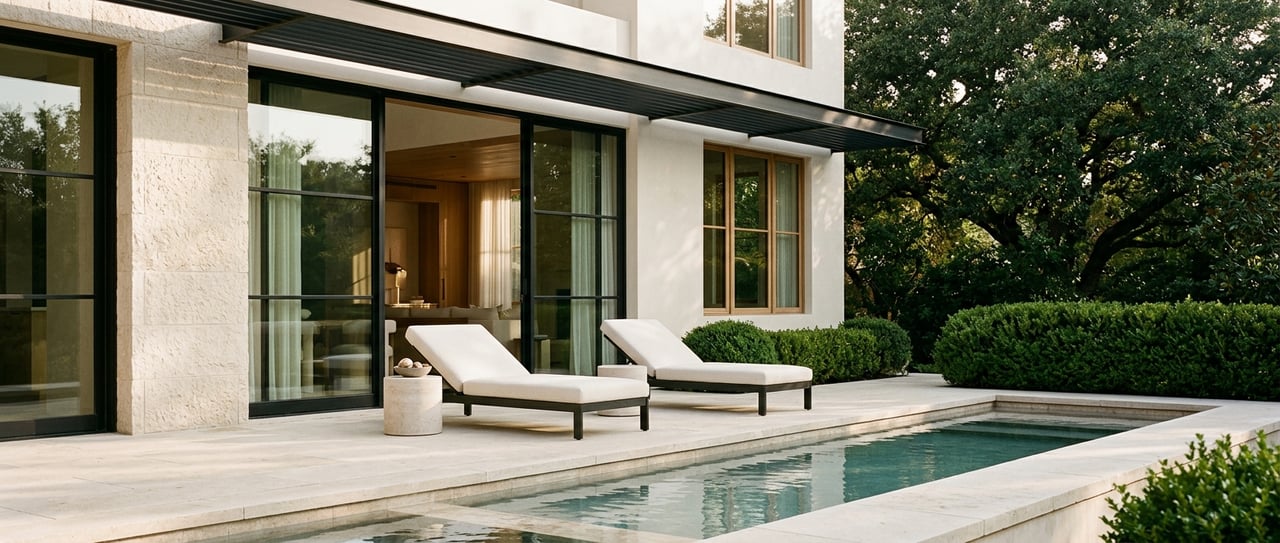
If you have ever wondered why two luxury homes inside The Dominion can look similar on paper yet command very different prices, you are asking the right question. In this community, value is shaped by far more than square footage alone. When you understand how lot position, views, condition, and community structure work together, you can make smarter decisions whether you are buying or selling. Let’s dive in.
Why Dominion home values vary
The Dominion is a large master-planned community on San Antonio’s northwest side along the IH-10 corridor, just west of 1604. According to the HOA, it spans about 1,600 acres, includes more than 1,700 homes, features 32 miles of private roads, and operates with three gates and 24-hour security.
That scale matters because The Dominion is not a one-note luxury neighborhood. It is a planned unit development with both residential and commercial uses, and the housing stock ranges from garden homes to elegant estates. When a community offers that kind of variety, values naturally spread across very different price points.
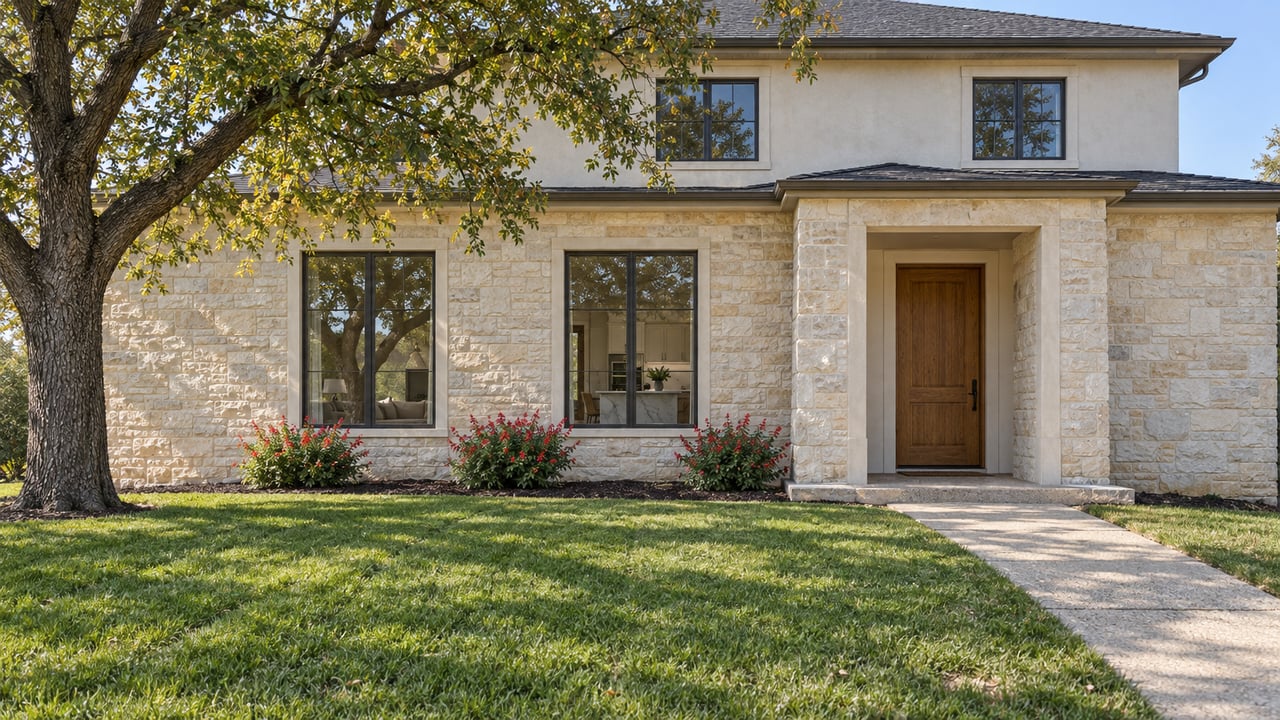
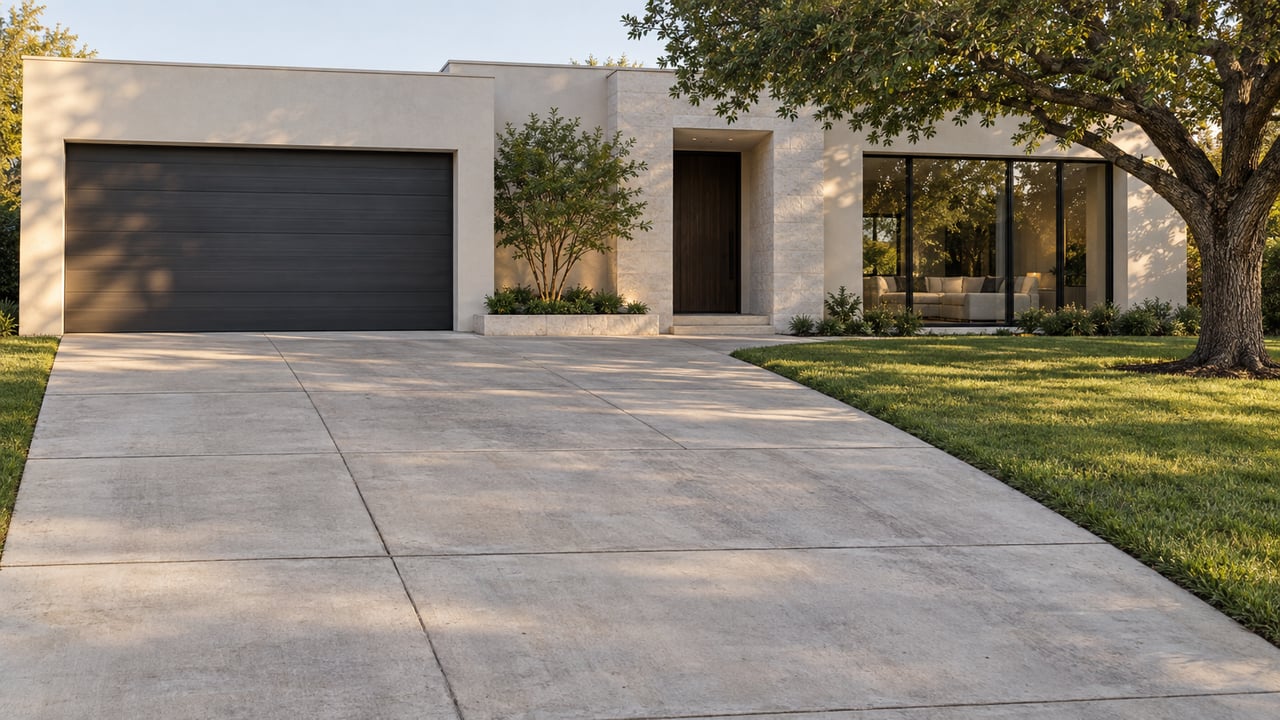
The HOA also notes that homeowners may choose their own custom builder. That means the neighborhood reads more like a collection of distinct luxury residences than a uniform subdivision. As a result, design quality, lot placement, and level of finish can vary sharply from one property to the next.
The Dominion is a layered luxury market
If you look at active listings, the range is wide. Realtor.com currently shows homes in The Dominion priced from around $639,900 to more than $8 million, with a median listing price of $1.2 million, median days on market of 57, and a median price per square foot of $302.
Sold data tells a different but still useful story. Redfin reported a median sale price of $919,691 in May 2026, down 5.3% year over year. Since one source reflects asking prices and the other reflects closed sales, the best way to use them is as directional market context, not as a single value rule.
In plain terms, The Dominion is not one market. It is a collection of smaller luxury segments inside one well-known address.
Views and golf frontage matter
One of the clearest value drivers in The Dominion is the setting. The Dominion Country Club describes an 18-hole championship course with rolling fairways, stately oaks, Hill Country vistas, and a layout that runs along Leon Creek.
That backdrop helps explain why two homes with similar square footage may not compete equally. A home with golf-course frontage, creek adjacency, or elevated Hill Country views often sits in a different value category than an interior lot without those features.
For many luxury buyers, the daily experience of the property matters as much as the floor plan. The view from the terrace, the sense of openness behind the home, and the visual connection to the landscape can all influence what a buyer is willing to pay.
Lot position shapes privacy and feel
Inside The Dominion, location is about more than the street address. The community’s three-gate layout, private roads, and dedicated security structure create different experiences depending on where a home sits within the development.
A property tucked deeper inside the residential gates may feel quieter and more private than a lot closer to the perimeter or near mixed-use frontage. Even when homes are similar in size, that difference in setting can affect buyer perception and pricing.
This is especially important in a luxury market, where privacy and predictability often carry real value. Buyers are not just purchasing a house. They are also purchasing how the property feels day to day.
Condition and renovation count heavily
Because The Dominion includes both older custom homes and newer construction, age alone does not tell you enough. A large home that feels dated may compete differently than a smaller home that has been thoughtfully updated for today’s luxury buyer.
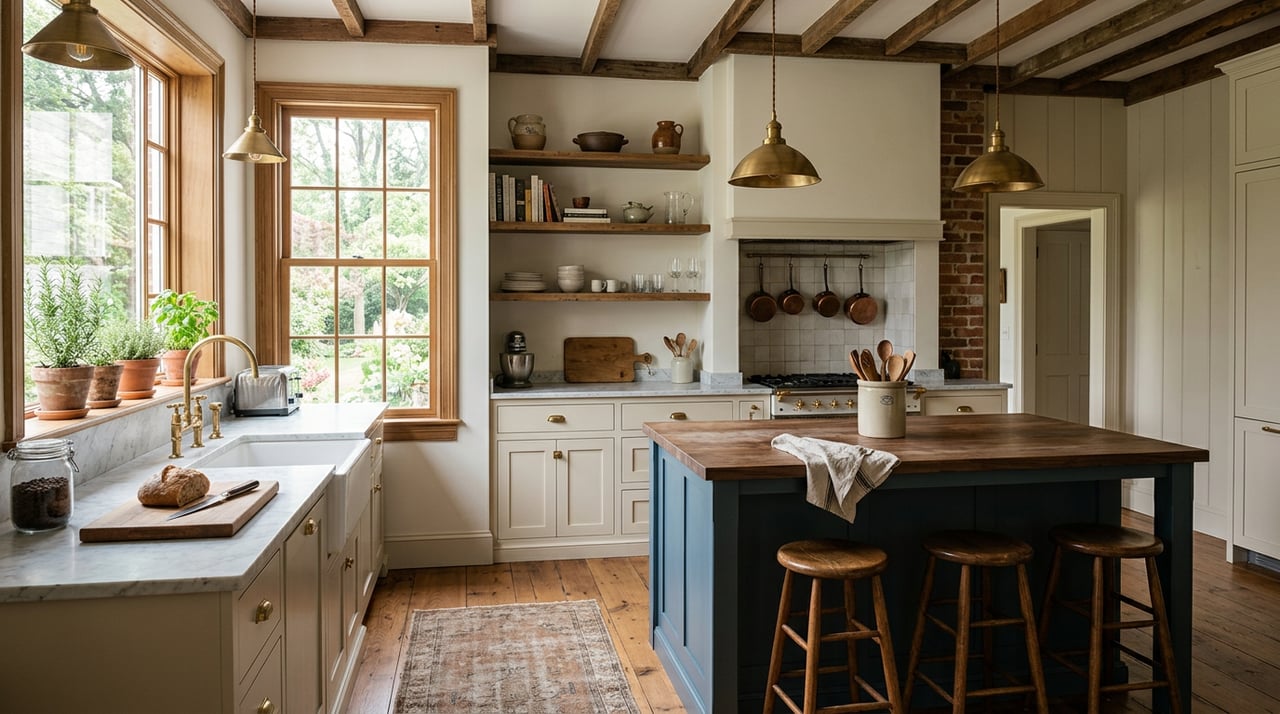
In practice, buyers tend to respond strongly to updated kitchens, refreshed baths, modern systems, strong curb appeal, and a design that still feels coherent with the lot and the home’s architecture. A property that feels turnkey often commands more attention than one that needs cosmetic or functional work, even if both are in the same section.
This is also where The Dominion’s architectural controls come into play. The HOA requires ACC approval for exterior modifications, including items like roofs, pools, fences, walls, pergolas, solar devices, and structural additions. That level of review helps maintain visual consistency, but it also means the quality and originality of improvements can be central to pricing.
Community rules influence value
Luxury home values are also shaped by ownership costs and community policies. The HOA fee schedule shows monthly assessments of $295, plus a $3,500 special assessment and a $300 transfer fee at purchase.
According to the HOA, those monthly dues support common-area expenses such as security, landscape maintenance, utilities, insurance, social events, and reserve funding. Buyers often factor these costs into the overall ownership picture, especially when comparing properties across luxury neighborhoods.
The rental policy matters too. The HOA requires a minimum six-month lease and does not allow short-term vacation-rental listings. That policy may support a more owner-occupant-oriented environment, while also narrowing the pool of buyers who want short-term flexibility.
Club lifestyle is separate from HOA dues
The Dominion Country Club is a major part of the community’s identity, but club membership is separate from HOA dues. That distinction matters when you evaluate value.
According to the club’s materials, membership options include golf, tennis and pickleball, and social access. Members may enjoy golf, tennis and pickleball amenities, a fitness center, spa and recovery services, clubhouse dining, and a year-round calendar of events. The club also reports recent renovations to dining and gathering spaces, resurfaced tennis courts, added pickleball amenities, and fitness improvements.
For buyers, this means the home’s value premium is not simply about paying for a club by default. Instead, the premium often comes from the lot, the setting, the design, and the lifestyle proximity, with club membership as an optional layer.
How to read comps in The Dominion
The best comps inside The Dominion are usually more specific than many buyers and sellers expect. In a neighborhood this varied, broad averages can be misleading.
A more reliable pricing framework is section first, view second, condition third. Square footage still matters, but it should be treated as only one layer of value.
When reviewing comparable homes, focus on these filters:
- Same section or pocket within The Dominion
- Similar lot orientation and position
- Similar view type, such as interior lot, golf frontage, or elevated vista
- Similar age or construction vintage
- Similar level of renovation or finish
- Similar exposure to club or lifestyle features
This matters because a renovated interior-lot home, a golf-view residence, and a newer custom build do not belong in the same comp bucket simply because they share a similar size. In The Dominion, context is everything.
Smaller pockets can price differently
Another layer to understand is submarket segmentation. Realtor.com highlights smaller pockets such as Gardens at the Dominion, The New Estates Development, The Crescent at the Dominion, and Dominion Golf Estates.
Gardens at the Dominion shows a median listing price of $804,500 and 40 days on market, while some of the other sections have only one or a few active listings. Thin inventory can make pricing less predictable because a single closed sale may influence the market read for that pocket.
If you are buying or selling in one of these smaller sections, the neighborhood-wide median may be far less useful than the most recent truly comparable sale nearby.
What buyers should watch closely
If you are buying in The Dominion, your goal is not just to ask whether a home is expensive. Your goal is to understand what, exactly, you are paying a premium for.
Ask yourself whether the value is coming from the view, privacy, lot position, turnkey condition, architectural quality, or proximity to the club lifestyle. When you identify the true driver, it becomes much easier to tell whether a listing is aligned with the market.
This approach can also help you avoid overpaying for size alone. In The Dominion, price per square foot is useful background, but it rarely tells the whole story.
What sellers should keep in mind
If you are selling, pricing your home against the wrong substitute properties can slow momentum. A buyer will compare your home to the options that match it most closely in section, setting, and condition.
If your property lacks a golf view, sits closer to the perimeter, or needs updating, it may compete in a different tier even if it shares the same neighborhood name as more premium listings. On the other hand, a beautifully presented home with strong design coherence and move-in-ready appeal may stand out quickly.
That is where thoughtful preparation becomes important. In a market as visual and nuanced as The Dominion, presentation and positioning are often just as important as exposure.
Why strategy matters in a luxury sale
Luxury buyers tend to notice detail. They are often comparing not just measurements, but atmosphere, finish quality, privacy, and the overall lifestyle a property offers.
That is why a strong pricing and marketing strategy should reflect how your specific home lives within The Dominion, not just how many square feet it offers. The most effective approach blends neighborhood knowledge, careful comp selection, and polished presentation.
For a community with this much range, that level of detail is not extra. It is essential. If you are preparing to buy or sell in The Dominion and want a design-led, highly tailored strategy, connect with Paulette Jemal for a private conversation.
FAQs
How are luxury home values determined in The Dominion?
- Values are often shaped by section, lot position, views, privacy, condition, renovation level, and overall design quality, not just square footage.
Do golf course lots in The Dominion usually carry more value?
- Homes with golf frontage, creek adjacency, or Hill Country views often compete in a different value category than similar interior-lot homes.
Are HOA fees included when evaluating Dominion home costs?
- Yes. The current HOA fee schedule lists $295 monthly dues, plus a $3,500 special assessment and a $300 transfer fee at purchase.
Does buying in The Dominion include country club membership?
- No. The HOA states that country club membership is separate and not included with HOA dues.
Why can two homes with similar size have different prices in The Dominion?
- Similar-size homes may differ significantly in lot orientation, privacy, view type, renovation quality, architectural style, and location within the community.
What are the best comps to use for a home in The Dominion?
- The most useful comps usually come from the same section or pocket and match the home’s view, lot position, age, and condition as closely as possible.