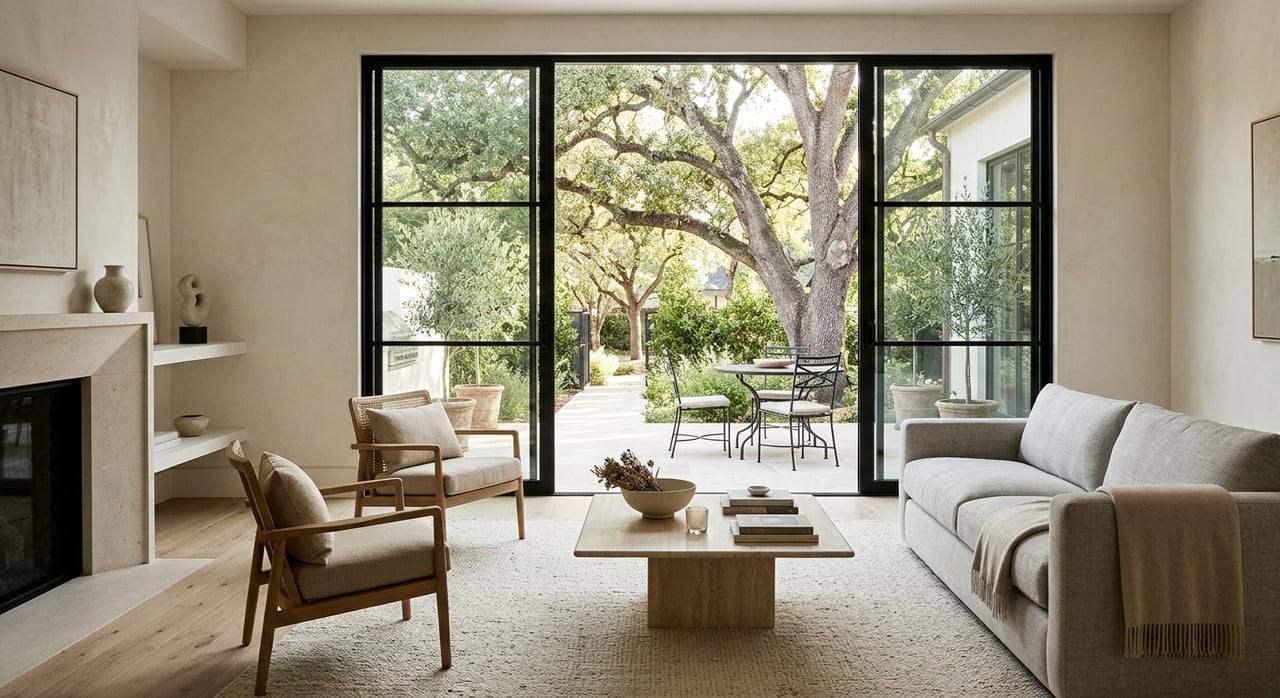
Wondering whether staging really makes a difference when you are selling in Olmos Park Terrace? In a neighborhood known for historic character, mature trees, and distinctive stone homes, presentation can shape how buyers feel about your property before they ever step inside. The good news is that thoughtful staging does not mean masking the home’s identity. It means highlighting what makes it special, photographing it beautifully, and helping premium buyers connect with it quickly. Let’s dive in.
Why Staging Matters in Olmos Park Terrace
Olmos Park Terrace stands apart because of its early twentieth-century character and established setting. The area is recognized as a local historic district, with housing that includes English stone cottages and minimal traditional homes, many tied to the H.C. Thorman era and built with stone veneer over reinforced concrete.
That context matters because buyers in this part of San Antonio are often responding to more than square footage. They are noticing the home’s architectural style, the rhythm of the street, the mature trees, and the sense of place created by oak-lined drives and park-like surroundings. Your staging should support that story, not compete with it.
There is also a clear business case for staging. According to the National Association of Realtors 2025 Profile of Home Staging, 83% of buyers’ agents said staging makes it easier for buyers to visualize a property as a future home. The same report found that 49% of sellers’ agents observed shorter time on market, and 29% saw staged homes receive a 1% to 10% increase in the dollar value offered.
For a premium listing, that makes staging part of your launch strategy, not just a finishing touch. It helps your home show well online, in person, and in the minds of serious buyers comparing multiple properties.
Match the Home’s Character
In Olmos Park Terrace, the safest staging approach is usually restrained, warm, and classic. A heavily trend-driven look can feel out of sync with the neighborhood’s stone cottages, traditional forms, and established landscape.
Instead, aim for a presentation that feels polished and believable. Think edited rooms, clear sightlines, balanced furniture, and styling that lets original materials and architectural details stand out. Premium buyers are often drawn to authenticity, and this neighborhood has plenty of it.
This is especially important because buyers’ expectations are shaped online. The same 2025 NAR report found that 48% of respondents said buyers expected homes to look like they were staged on TV, while 58% said buyers were disappointed when the home looked different in person. In other words, the goal is not to overproduce the house. The goal is to present it honestly at its best.
Start With the Exterior Story
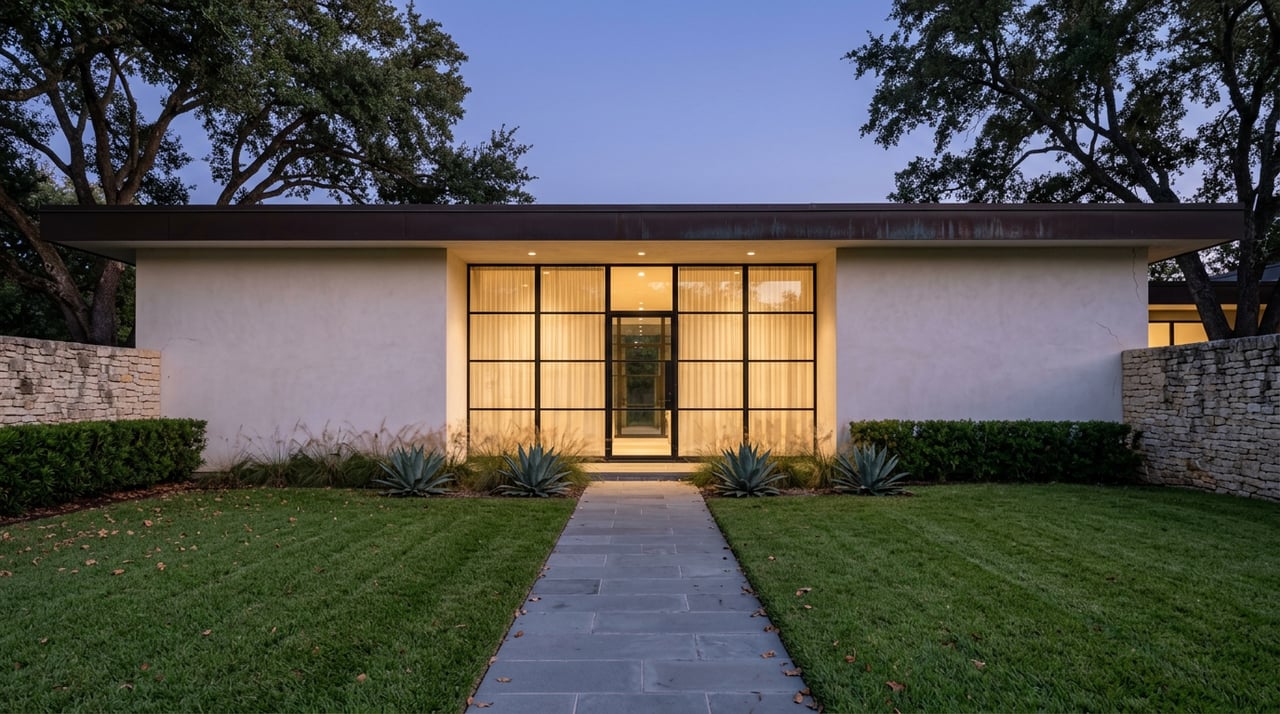
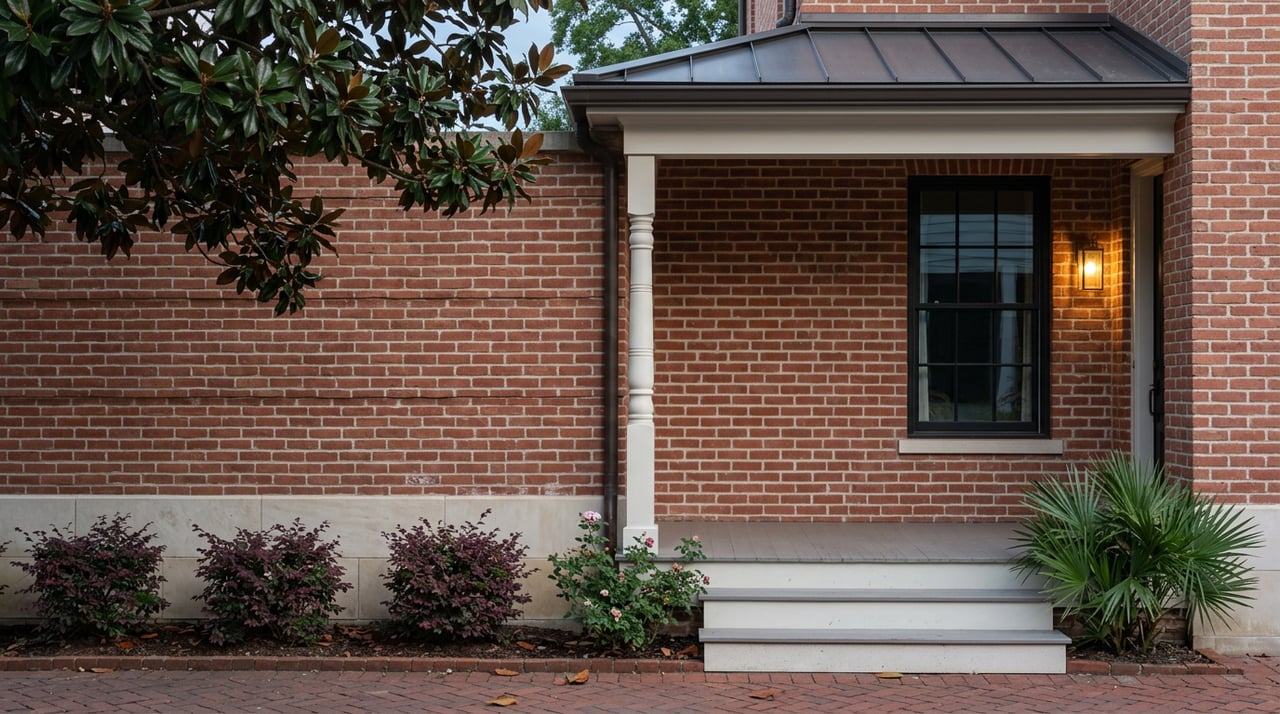
First impressions begin long before a buyer reaches the front door. In Olmos Park Terrace, that first impression often includes open front yards, curved concrete walkways, mature trees, and a visible relationship between the home and the landscape.
Because the neighborhood is generally flat and has limited sidewalks, the exterior should feel clean, calm, and easy to read. A swept driveway, trimmed planting beds, a tidy lawn edge, and a clear path to the entry will usually do more for curb appeal than adding too much porch décor.
Keep the emphasis on the natural strengths of the property. Stone, shade, and a welcoming entry sequence are often more powerful than decorative extras. If there is pathway lighting, make sure it works and feels intentional for twilight photography or evening showings.
It is also important to separate staging from renovation. Since Olmos Park Terrace is a local historic district, some exterior work may require review and approval under city design guidelines. Light styling, cleaning, and photography prep are one thing. Exterior changes are another.
Prioritize the Rooms Buyers Notice Most
If you are deciding where to spend your time and budget, start with the spaces buyers notice first. The 2025 NAR staging report ranked the living room as the most important room to stage at 37%, followed by the primary bedroom at 34% and the kitchen at 23%.
Those priorities fit luxury marketing well. These are the rooms that shape a buyer’s emotional reaction and help them understand how the home lives day to day.
Stage the Living Room for Scale
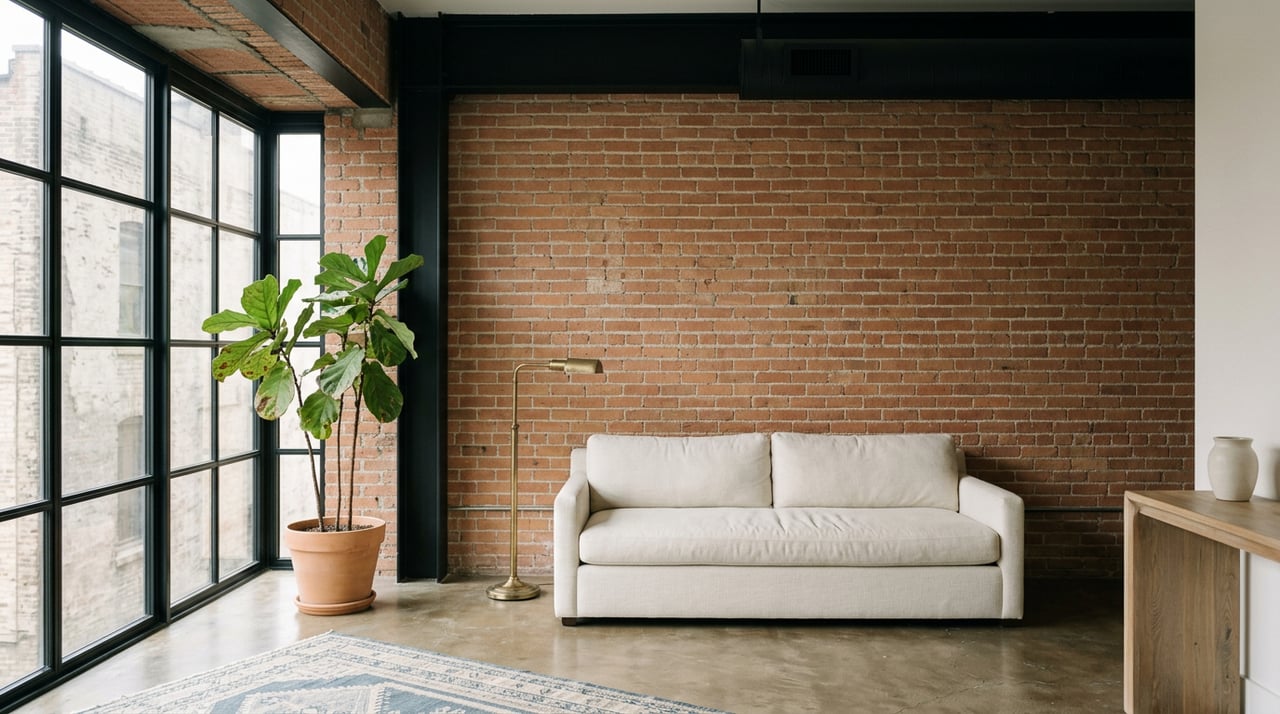
The living room often carries the strongest visual weight in listing photos. It should feel open, balanced, and easy to move through.
Remove oversized furniture if it makes the room feel tight. Edit accessories, simplify tabletops, and create a furniture layout that highlights the room’s size and architecture. In a stone-cottage or minimal-traditional home, this may mean letting a fireplace, windows, or original wall texture become the focal point.
Make the Primary Bedroom Feel Calm
The primary bedroom should read as restful and spacious. Crisp bedding, fewer personal items, and a limited color palette can help the room feel elevated without looking staged for the sake of staging.
Avoid crowding the room with extra seating or too many accent pieces. Buyers should be able to see the proportions of the space and imagine a comfortable routine there.
Keep the Kitchen Clean and Clear
Kitchens do not need to feel empty, but they do need to feel orderly. Clear counters, polished surfaces, and simple styling go a long way.
If the home has updated finishes, staging should support them. If the kitchen leans more traditional, keep the styling understated so the room feels honest and cohesive with the rest of the house.
Define Dining and Flex Spaces
Dining rooms remain one of the more commonly staged spaces, with 69% of sellers’ agents reporting that they stage them. In a home with formal or semi-formal rooms, the dining area can help reinforce a sense of occasion and lifestyle.
Keep the table styling simple. A centered arrangement and enough open space around the furniture will help the room photograph well and feel usable.
Secondary rooms matter too, but they do not need elaborate design. A guest room, office, or bonus room should have a clear purpose, good light, and visual calm. Buyers should never have to guess what a room is for.
Treat Outdoor Areas Like Real Living Space
In San Antonio, outdoor spaces are part of how people use a home for much of the year. NOAA climate normals for San Antonio International Airport show mean highs of 94.6°F in July and 96.0°F in August, which makes shade, airflow, and comfort especially relevant.
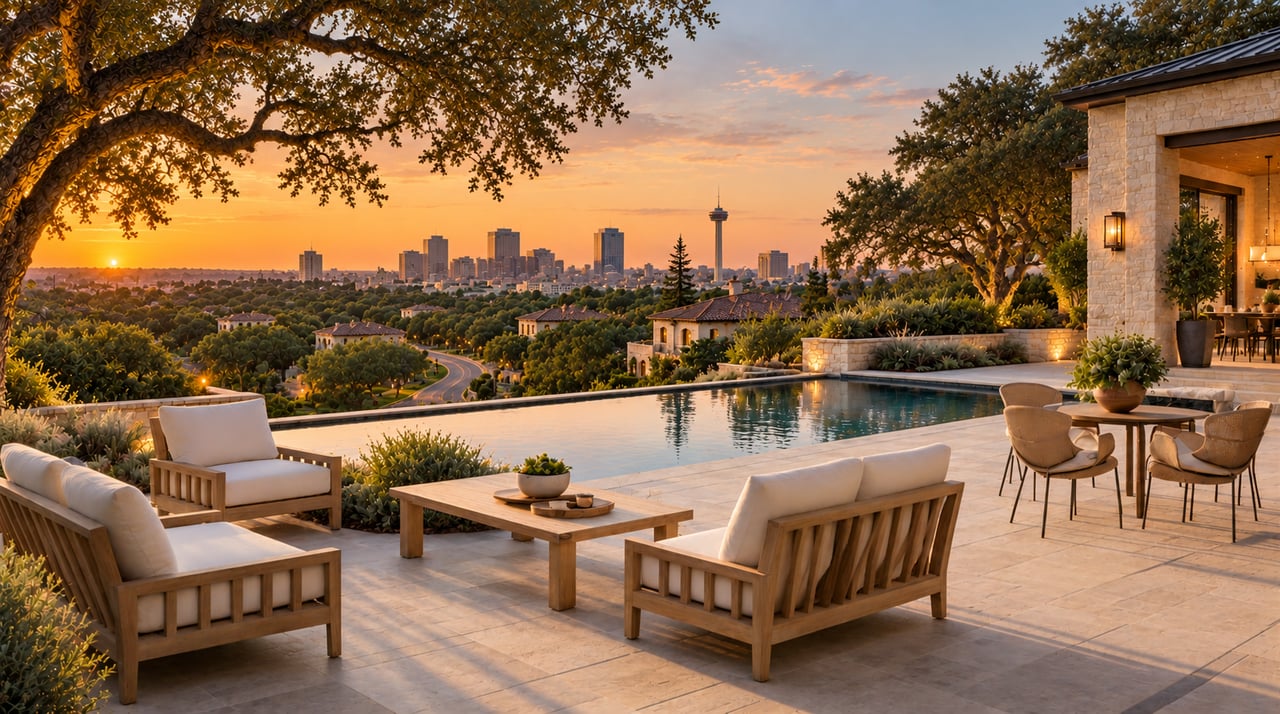
That means patios, porches, and shaded seating areas deserve real attention before launch. Instead of leaving outdoor furniture bare or treating the area as an afterthought, create a setup that suggests comfort and function.
A small seating arrangement, tidy cushions, and a clean surface can be enough. The point is to help buyers see the outdoor area as an extension of the home, not extra square footage with no clear purpose.
Prepare for Photos Like a Premium Campaign
In the upper end of the market, photography is not optional. NAR’s 2025 data showed that both buyers’ agents and sellers’ agents rated photos as the most valued listing asset, ahead of other visual tools.
That means every staging decision should support the camera. A room that feels acceptable in person may still look busy, dark, or uneven in photos.
Before photography, focus on the basics:
- Deep declutter every visible surface
- Depersonalize artwork, collections, and family photos
- Open blinds for consistent natural light
- Clean mirrors, windows, and reflective finishes
- Reset beds, pillows, and towels
- Hide cords, remotes, and countertop appliances
- Do a final room-by-room walkthrough before the shoot
This matters even more if your likely buyer may first discover the property from outside the immediate area. When buyers make their first judgment online, your visuals need to feel calm, credible, and complete.
Set a Smart Staging Budget
Many sellers assume staging has to be all or nothing. In reality, the most effective plan is often selective.
According to NAR, the median spend was $1,500 when sellers’ agents used a staging service and $500 when the agent staged the home personally. That can help set expectations, especially if you are deciding between light styling and a more involved presentation.
In a neighborhood like Olmos Park Terrace, a targeted approach often works well. Prioritize the front exterior, living room, primary bedroom, kitchen, and any outdoor area with strong appeal. Secondary rooms can stay simpler as long as they are clean, defined, and well photographed.
Keep the Presentation Honest
The best luxury marketing feels polished, but never misleading. If digital enhancement or virtual staging is used in any form, it should stay transparent and realistic.
That matters because buyer disappointment can undo strong first impressions. Since NAR found that 58% of respondents said buyers were disappointed when a home looked different in person, your goal should be alignment between the online story and the actual experience of walking through the front door.
That is where a design-first, hands-on approach makes a difference. When staging, photography, and listing strategy all work together, your home can feel both aspirational and believable.
If you are preparing to sell in Olmos Park Terrace, the strongest results usually come from curation, not excess. Buyers in this setting are often looking for character, proportion, and a sense of lifestyle rooted in the home itself. With the right staging plan, you can bring that story forward and position your property to attract premium attention from the start.
If you are thinking about selling and want a tailored, design-led strategy for your home, connect with Paulette Jemal for a private consultation.
FAQs
How important is staging for selling an Olmos Park Terrace home?
- Staging can play a major role because it helps buyers visualize the home, supports stronger photography, and may contribute to shorter time on market and stronger offers according to 2025 NAR data.
Which rooms should you stage first in an Olmos Park Terrace house?
- Start with the living room, primary bedroom, kitchen, and front exterior, since these areas tend to have the biggest impact on buyer perception and listing photos.
Should every room in an Olmos Park Terrace home be fully staged?
- No. Secondary rooms usually just need a clear purpose, good light, and minimal styling so buyers can understand the layout without distraction.
Do patios and porches matter when staging a San Antonio home?
- Yes. Outdoor areas should be treated as usable living space, especially in San Antonio where shaded seating and comfort cues can help buyers connect with the home’s lifestyle.
Can you make exterior changes to a home in Olmos Park Terrace before listing?
- Light cleaning and styling are different from renovation, and because Olmos Park Terrace is a local historic district, some exterior work may require review and approval under city design guidelines.