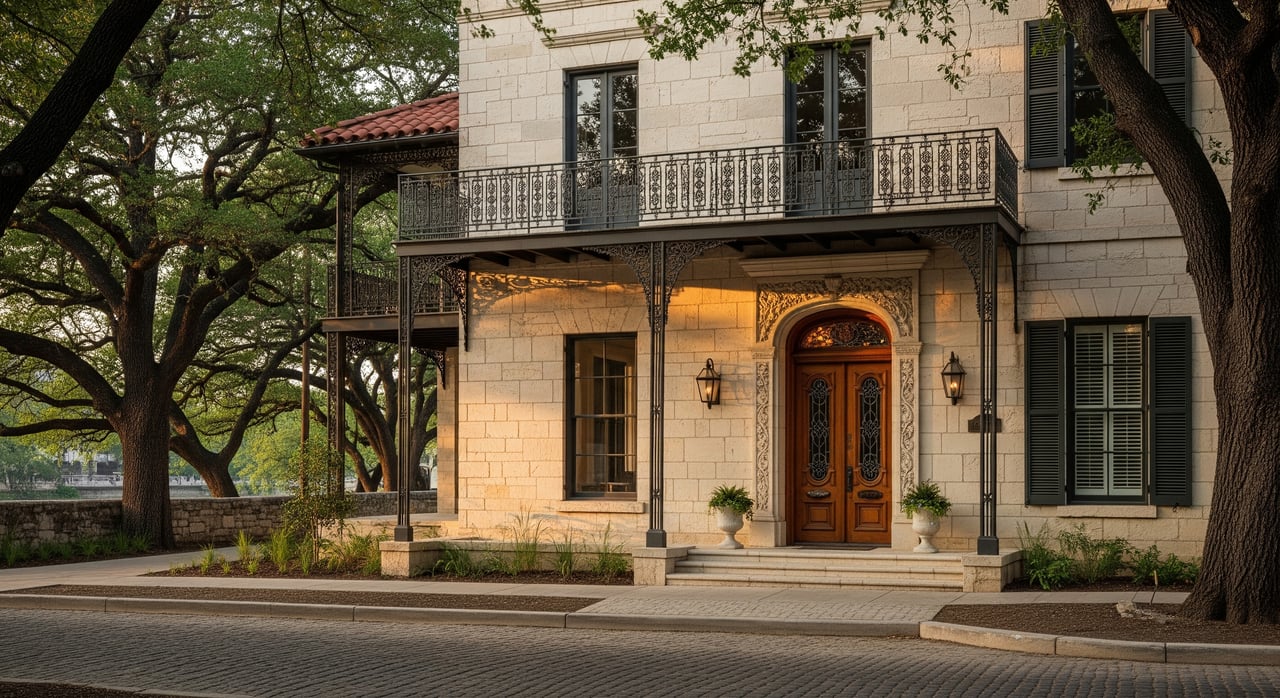
Thinking about freshening a King William façade or restoring an old porch? In San Antonio’s most storied district, even small exterior changes can trigger special review. You want to protect your home’s character and move your project forward without surprise delays. This guide breaks down what permits you need, how the review works, realistic timelines, and how to plan your renovation calendar with confidence. Let’s dive in.
What a COA is and why it matters
In the King William Historic District, the City of San Antonio requires a Certificate of Appropriateness, or COA, for most exterior changes that are visible from the street. The City’s Historic Preservation Office, or HPO, administers reviews and issues approvals. Larger or more complex proposals may be decided by the Historic & Design Review Commission (HDRC).
A COA typically comes before any building permits. The usual sequence is COA approval → building permit → construction. If you skip a step, you risk delays, rework, or compliance issues that can impact your schedule and budget.
Projects that need approval in King William
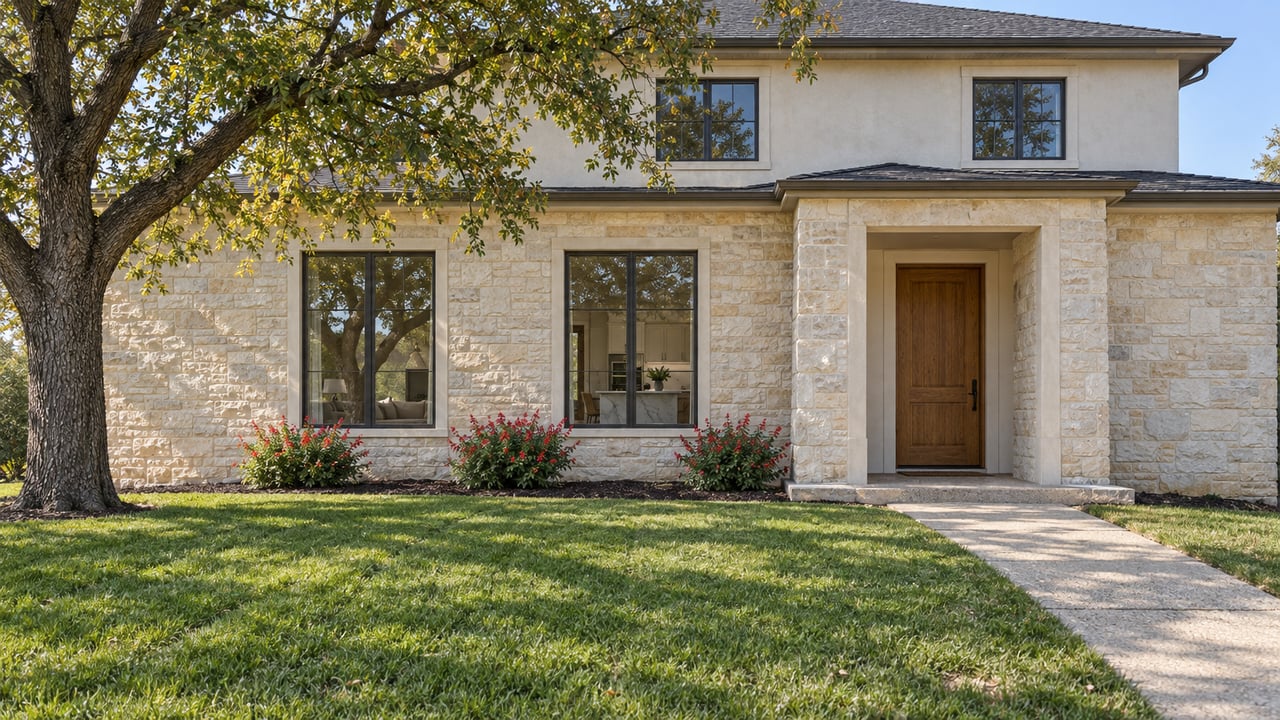
As a general rule, any exterior change visible from the public right of way that affects character-defining features will need review. Interior work is usually outside HPO jurisdiction unless it changes the exterior form or appearance.
Common projects that trigger a COA include:
- Additions, new construction, or moving a structure
- Demolition, partial or full, or relocation
- Changes to roof form, materials, or visible features like dormers or chimneys
- Window or door changes visible from the street
- Porch repairs, enclosures, alterations, and replacement of porch elements
- Exterior siding, masonry repairs, stucco, or brick tuckpointing
- Porches, balconies, fences, visible foundations, and exterior stairs
- Driveways, front-yard paving, and other visible site elements
- Garages and other accessory structures visible from the street
- Mechanical equipment placement that is visible and needs screening
Some items can be reviewed administratively. Routine maintenance and true in-kind replacement often qualify for faster staff approval. If you change materials or profiles, expect a higher level of scrutiny. Paint color rules can vary by property type, so confirm with HPO before you finalize a palette.
Two review paths: staff or HDRC
There are two main routes for approval:
- Administrative staff approvals. HPO staff can sign off on minor repairs, in-kind replacements, and certain small alterations. This route is usually faster and does not require a public hearing.
- HDRC hearings. Major changes, like significant additions, new construction, demolition, or any application that exceeds staff authority, go to the HDRC. These cases include public notice and allow neighborhood input.
If your proposal is borderline, an early conversation with HPO can save weeks by clarifying the right path and the documentation you will need.
What to submit with your application
A well-prepared application moves quicker. Expect to provide:
- Completed COA application form
- Site plan and vicinity map showing setbacks and building footprint
- Photographs of all elevations and the surrounding context
- Elevations and scaled drawings of proposed work with dimensions and materials
- Material and product specifications, like manufacturer cut sheets
- Paint or finish samples if applicable
- Structural or engineering reports for demolition or structural work
- A clear scope of work and, when needed, a justification statement
For HDRC cases, public notice is part of the process. Input from neighbors and local groups like the King William Association can influence outcomes, so clarity and compatibility are important.
How long the process takes
Build the permit process into your schedule from day one. Conservative planning ranges are:
- Pre-application meeting with HPO: 1 to 4 weeks to schedule
- Administrative COA: about 1 to 4 weeks after a complete submittal
- HDRC cases: plan at least 1 to 2 months to reach a hearing; revisions can extend this to 2 to 4 months
- Complex work like demolition or major new construction: 3 to 6 months from concept to final COA, sometimes longer
- Building permit after COA: add 2 to 8 weeks depending on plan review and backlog
These ranges reflect typical cycles. Verify current turnaround times with HPO and Development Services before you set firm dates.
Sample timelines to set expectations
Here are high-level planning ranges to help you map a realistic calendar:
- Simple roof replacement with in-kind materials: about 4 to 8 weeks total
- Window replacement in-kind: about 4 to 10 weeks; if not like for like, expect additional time and possible HDRC review
- Porch restoration or a minor addition: about 8 to 16 weeks
- Major addition or new carriage house: about 3 to 6 months or more
- Full demolition and new construction: about 4 to 9 months, subject to added reviews or appeals
Timelines stretch when applications are incomplete, when additional reports are needed, or when neighborhood comments lead to design revisions. Seasonal contractor availability and material lead times can add weeks, especially for custom or preservation-grade work.
Plan your renovation calendar
If you are buying in King William, do some due diligence before you close. This can save you time and prevent surprises.
Pre-purchase steps for buyers:
- Ask the seller or HPO for prior COAs and building permits on file
- Order a condition report that highlights character-defining features like the porch, windows, roofline, and masonry
- Factor in potential code upgrades and possible hazardous materials, like lead paint or asbestos
- Review neighborhood guidelines in addition to City rules
Project planning sequence:
- Schedule an informal pre-application meeting with HPO to confirm the likely review track.
- Prepare drawings, photographs, and product specifications; collect contractor estimates.
- Submit your COA application. Staff will route it administratively or to HDRC as needed.
- After COA approval, apply for building permits with Development Services.
- Schedule contractors and order materials only after you have required approvals.
- During construction, follow inspection schedules and keep records and photos for your files.
Practical scheduling tips:
- Build buffer time for revisions or HDRC continuances
- Plan exterior work around San Antonio’s climate, since heat and humidity can affect painting and masonry
- Line up specialty trades early; custom wood windows, metalwork, or masonry can have longer lead times
- If you plan to seek state or federal incentives for an income-producing property, allow extra review steps
Budget, risks, and how to avoid delays
Older homes hold surprises. A smart budget includes contingency for hidden conditions like rot or structural issues. A 15 to 30 percent contingency is common for historic renovations depending on scope.
Frequent pitfalls include starting exterior work before approval, assuming in-kind work does not need documentation, or underestimating HDRC scheduling. You avoid most of these by contacting HPO early, retaining a preservation-minded architect or contractor, and keeping detailed photo records and samples of existing materials.
Incentives, appeals, and special cases
If your property is income-producing and listed on the National Register, you may be able to pursue the Federal Rehabilitation Tax Credit. Eligibility requires that your project meet the Secretary of the Interior’s Standards and pass state and federal review, typically through the Texas Historical Commission and the National Park Service. Owner-occupied single-family homes are generally not eligible for this federal credit.
Local incentives can change, so confirm current programs with the City’s HPO or economic development staff. If you receive conditions or a denial from HDRC, City procedures allow for appeals or, in certain situations, variances through the zoning process. These steps add time, so weigh them carefully during design.
Buying or selling in King William
If you are buying, align your option period with early HPO consults so you understand your scope and timing before you commit to a tight move-in date. Ask for documentation of prior COAs and permits and incorporate that history into your plans. If you are considering homes near King William, such as in the Arsenal area, confirm with the City whether a historic overlay applies to your specific property.
If you are selling, a clean, well-documented file of past approvals can build buyer confidence. Clear records also help your buyer plan upgrades in a way that respects the home and keeps the transaction on track. When you are ready to position a historic property for the market, presentation and process both matter.
If you want a calm, coordinated path to a beautiful result, connect with Paulette Jemal for design-forward guidance and a boutique, concierge experience that respects your home’s character and your timeline.
FAQs
Do I need a permit to replace windows in King William?
- If windows are visible from the street and you change the material, profile, or design, you will typically need a COA; true in-kind replacements may be eligible for administrative approval.
How soon can I start construction after I sign a contract on a house?
- Do not start visible exterior work until you have any required COA and building permits; allow 4 to 12 weeks for smaller projects and several months for major work.
Are paint colors regulated for King William homes?
- Paint policies vary by property type; some single-family homes are not regulated for color while commercial façades may be, so verify with HPO before you choose a scheme.
Will historic rules stop me from modernizing my home?
- The goal is to retain character-defining features and ensure visible changes are compatible; modernization that respects the home’s character is commonly approved with appropriate materials and methods.
Can I get tax credits for a King William renovation?
- Federal rehabilitation tax credits focus on income-producing historic properties and require state and federal review; owner-occupied single-family homes are generally not eligible.
Does the Arsenal area follow the same rules as King William?
- Boundaries and overlays vary by block; contact the City’s HPO to confirm whether a specific Arsenal property is in a historic overlay and what review applies.