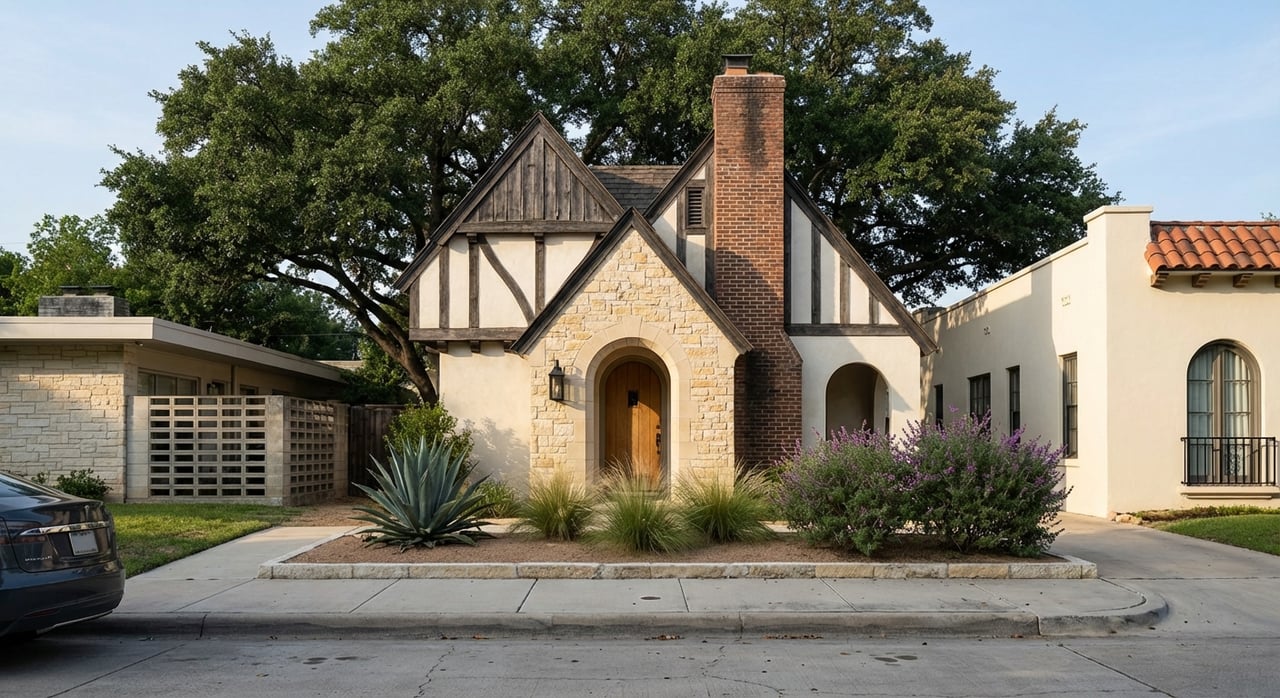
Ever walk past a Monte Vista home and wonder why it feels different from anything else in San Antonio? You are not imagining it. Monte Vista’s mix of early 20th-century styles creates a distinct rhythm of rooflines, porches, courtyards, and tall windows that shape how you live in the space every day. In this guide, you will learn how to spot the major architectural styles, what each means for layout and natural light, and how renovations work inside a local historic district. You will also get a practical showings checklist so you can evaluate a home with confidence. Let’s dive in.
Why Monte Vista architecture stands out
Monte Vista is one of San Antonio’s largest residential historic districts, just north of downtown. It is locally designated and also listed on the National Register of Historic Places. The district’s official pages explain how exterior changes visible from the street are reviewed by the city’s Office of Historic Preservation. You can learn more about the local district and review requirements on the city’s Monte Vista page at the City of San Antonio Office of Historic Preservation.
Development peaked between about 1900 and 1949, which is why you see Victorian-era forms alongside Bungalows, Spanish and Mediterranean Revivals, and Tudor cottages. The National Register record documents this broad period of significance and the variety of styles that define the neighborhood’s character.
Local stewardship also matters here. The Monte Vista Historical Association is an active neighborhood group and a helpful first stop for history or contacts for architectural questions. You can find them through the Monte Vista Historical Association.
The styles you will see
Tudor Revival
- Visual cues: Steep cross-gabled roofs, prominent chimneys, half-timbering, and a mix of stucco and brick. Tall, narrow grouped windows often have small panes or leaded glass.
- Layout and light: Plans are usually one and a half to two stories with more compartmentalized rooms. Windows are narrower than mid-century homes, which can create a cozy feel and lower light in deeper rooms.
- Renovation notes: Historic window openings and masonry are character-defining. Enlarging openings is complex and typically requires design review. The National Park Service advises repair and weatherization as the first choice for historic wood windows. See the NPS technical briefs on preservation topics for guidance.
Spanish Eclectic and Mediterranean Revival
- Visual cues: Smooth or textured stucco walls, low-pitched red tile roofs, arched openings, recessed windows, and wrought-iron details. These forms are common in San Antonio and appear throughout Monte Vista.
- Layout and light: Plans may organize around a courtyard or loggia. Courtyards bring bright, protected daylight, while smaller recessed windows can keep interior rooms shaded. For a clear overview of the style’s typical features, review the Spanish Colonial Revival guide.
- Renovation notes: Tile roofs and stucco demand careful repair. New penetrations in masonry walls and thermal upgrades require detailed planning and often review. NPS briefs on masonry and roofing outline best practices. Start with the NPS preservation topics hub.
Bungalow and Craftsman
- Visual cues: One to one-and-a-half stories, low-pitched gable roofs, wide eaves with exposed rafters, and generous porches on tapered piers. Interiors often include built-ins, wood trim, and easy circulation between living and dining.
- Layout and light: These plans are compact and daylight-forward, especially in main living areas. Porches filter sun and create a welcoming indoor-outdoor threshold. For a quick primer on identifying features, see the National Trust’s buyer guide on styles, including Craftsman, at Saving Places.
- Renovation notes: Wood features make porch and window maintenance important. Matching trim profiles and careful repair preserve value and character. The NPS brief on wooden porches is a useful reference.
Queen Anne, Victorian, and Neoclassical elements
- Visual cues: Asymmetry, turrets or towers, patterned shingles, and classical columns. These homes often appear on major boulevards or as larger residences within the district.
- Layout and light: Expect formal room sequences and tall windows at the front. Side and rear rooms may be more shaded.
- Renovation notes: High ceilings and formal detailing are part of the appeal. Systems upgrades and plaster repair usually take priority before layout changes.
Mid-century and later infill
- Visual cues: Simpler rooflines, larger picture windows, and less ornament than earlier styles. While not dominant, you will encounter some examples from the later years of the district’s significance.
- Layout and light: Larger windows and a tendency toward more open plans can mean brighter interiors.
What style means for light and flow
Understanding a home’s style helps you predict how it will live day to day.
- Orientation and daylight: Bungalows, Victorians, and Neoclassical homes often rely on tall windows and porches to bring in light while moderating heat. Spanish and Mediterranean forms use thick masonry and courtyards to create cool, bright core spaces, while smaller recessed windows keep deeper rooms shaded. For a clear explanation of how courtyards and recessed windows affect light, see the Spanish Colonial Revival overview.
- Room flow and adaptation: Tudor and other Period Revival houses tend to keep formal separate rooms. Opening a wall for an expanded kitchen is possible with proper structural design and, if the work affects the exterior or visible features, review. Bungalows and some mid-century homes start closer to an open concept, so they can be easier to adapt.
- Vertical space and attics: Steeper roofs create useful attic volume but may have irregular headroom. Low-pitched or flat roofs on Spanish-influenced homes lean toward one or two stories with wider spans. Dormers and attic conversions typically need design and structural review.
Renovation, review, and incentives
Monte Vista is a local historic district, which means exterior changes visible from the street generally require a review and either administrative approval or a Certificate of Appropriateness. Plan for this step in your timeline. Start with the city’s overview for the district at the City of San Antonio Office of Historic Preservation.
If you are considering a major project, the city offers rehabilitation incentives that can offset taxes when work meets specific thresholds and standards. Options can include a multi-year tax freeze or phased exemptions, depending on eligibility and scope. Explore current programs and requirements at OHP Incentive Programs. For design expectations on additions, windows, and materials, review the San Antonio Historic Design Guidelines.
The National Park Service publishes practical briefs that apply to typical Monte Vista repairs. If you are weighing a window replacement, for example, they recommend repair and weatherization of original sash as the first option. You can find specific step-by-step guidance in the NPS window brief and roof planning insights in the NPS roofing brief.
Common issues to budget for
- Roofing: Clay tile, slate, and historic shingles often require specialty trades and careful underlayment and flashing.
- Stucco and masonry: Compatible mortar and finish matches are essential to avoid damage to historic brick or stone.
- Porches and woodwork: Porch joists and column bases can show rot. Matching profiles and repairing in kind helps preserve value. See the NPS porch brief.
- Windows and doors: Original wood sash, divided-light glass, and transoms are character-defining and usually repairable.
- Mechanical systems: HVAC, insulation, and electrical upgrades are common in pre-war homes. Aim for minimally invasive solutions that protect historic fabric, consistent with the Secretary of the Interior’s Standards.
Showings checklist for Monte Vista homes
Use this quick checklist during your first visit, then verify with specialists during the option period or inspection.
Exterior quick checks
- Roof condition: Look for missing tiles or shingles, sagging, or patchwork repairs. Tile and slate need specialized crews. See the NPS roofing brief.
- Chimneys and flashing: Check for leaning stacks or gaps at roof penetrations that can admit water.
- Stucco and masonry: Note hairline versus open cracks, and ask about past repointing. Hard mortar on soft brick can cause damage.
- Porches and foundations: Watch for sagging, wood rot, or signs of prior termite work. The NPS porch brief explains typical repair priorities.
- Windows and openings: Identify original versus replacement windows, check operation, and look for historic glass or transoms. The NPS window brief outlines repair options.
- Additions and changes: Ask whether the seller obtained Certificates of Appropriateness for visible exterior work. Unreviewed work can affect value and timelines.
Interior quick checks
- Ceiling height and finishes: Tall ceilings and plaster are common. Plaster repair methods differ from drywall.
- Floors and structure: Note uneven floors or large plaster cracks and budget for a structural opinion if you see movement.
- Moisture clues: Look for ceiling stains, musty odors, or efflorescence on masonry.
- Mechanical systems: Confirm the age and location of HVAC, electrical panel capacity, and whether wiring has been updated.
- Historic features to protect: Mantels, built-ins, woodwork, original tile, and stained glass support long-term value.
Smart questions to ask
- Is the home a contributing resource within the Monte Vista district, and are records available to confirm? Contributing status can affect incentives and review.
- Are there permits or Certificates of Appropriateness for exterior changes, plus documentation of major system upgrades?
- What reports are available for structure, termites, and drainage, along with roof or stucco maintenance history?
How this knowledge guides your search
When you understand the style, you can predict how the home will live and what it will cost to update. Bungalows often adapt smoothly with kitchen openings and modest rear additions. Tudor or formal Period Revival homes reward careful planning for any layout changes. Spanish Eclectic and Mediterranean homes offer beautiful courtyards and cool masonry shells, which call for targeted thermal upgrades and expert stucco or tile work. In every case, early coordination with the city’s Office of Historic Preservation, a preservation-minded contractor, and a knowledgeable agent will save time and money.
If you are planning a larger project, pencil in design review alongside your contractor’s timeline, then explore eligibility for local incentives through OHP Incentive Programs. For a quick history download or architectural contacts, the Monte Vista Historical Association is a helpful resource.
Work with a design-first Monte Vista specialist
Presenting a Monte Vista home well takes more than a sign and a listing. It takes staging and creative direction that highlight daylight, craftsmanship, and the story your architecture tells. It also takes a calm, concierge approach to navigate historic review, coordinate trusted trades, and market your listing across San Antonio and to international buyers who value heritage homes.
If you are buying, you will get thoughtful previews of how light moves through each plan and what upgrades make sense for the style. If you are selling, you will get editorial-quality staging, photography, and narrative marketing that connect the right buyers to your home’s history and design.
Ready to explore Monte Vista? Reach out to Paulette Jemal to start a conversation.
FAQs
What makes Monte Vista a historic district in San Antonio?
- Monte Vista is locally designated and listed on the National Register of Historic Places, which means visible exterior changes are typically reviewed by the city’s Office of Historic Preservation.
Which Monte Vista home styles bring the most natural light?
- Bungalows and many Victorian-era homes use tall windows and high ceilings to pull light deep into rooms, while Spanish and Mediterranean plans often rely on bright courtyards with more shaded interior rooms.
Can I open a kitchen wall in a Tudor or Period Revival home?
- Often yes, with proper structural design, but any work that changes visible exterior features or rooflines will likely require city review and adherence to local design guidelines.
Do I need approval for exterior work in Monte Vista?
- Yes, most exterior changes visible from the street require administrative approval or a Certificate of Appropriateness through the city’s review process, so plan timelines accordingly.
Are there tax incentives for renovating a Monte Vista home?
- The city offers rehabilitation incentives for qualifying projects that meet specific thresholds and standards, so consult the Office of Historic Preservation early to confirm eligibility and process.