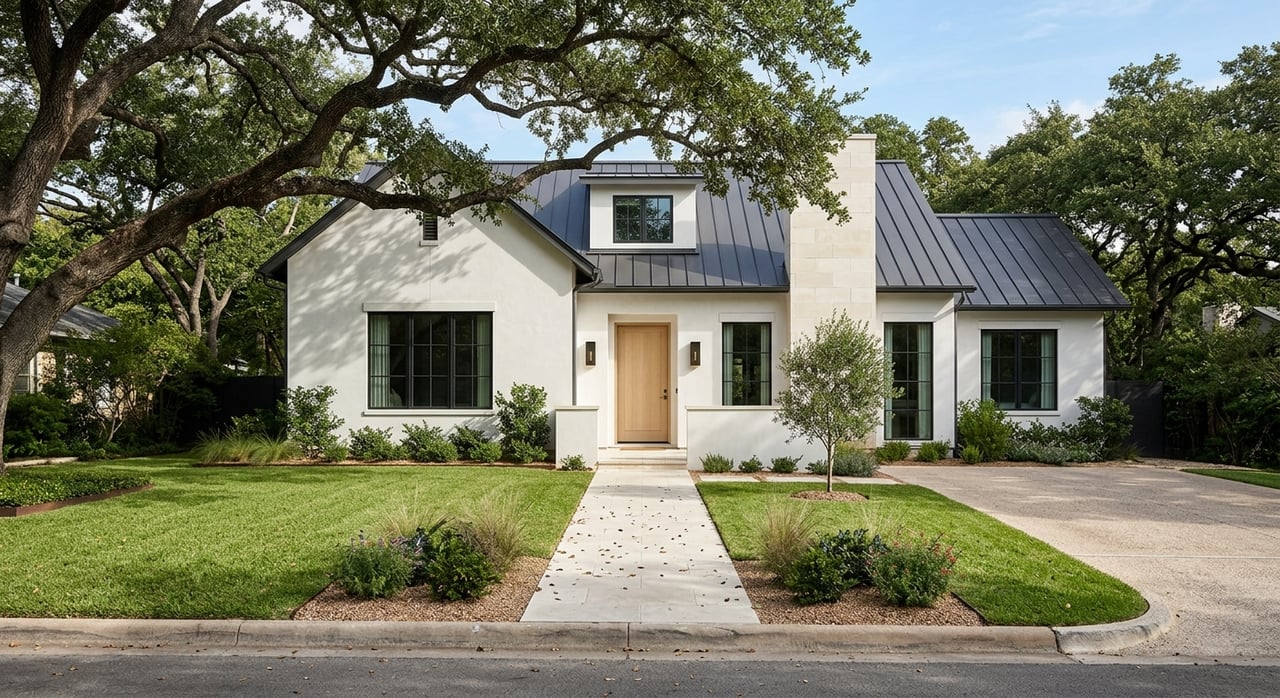
You can be just minutes from downtown San Antonio and still feel like you have stepped into three very different worlds. That is part of what makes the Tri-Cities so appealing, and also why buyers can get confused when they start searching by ZIP code alone. If you are trying to understand where cottages, classic homes, larger properties, and lower-maintenance options fit into this close-in pocket, this guide will help you sort it out. Let’s dive in.
Why the Tri-Cities Can Feel Confusing
If you have been browsing homes in 78209, you have probably seen the Tri-Cities mentioned again and again. That shorthand makes sense because both Alamo Heights and Terrell Hills are in 78209, and Alamo Heights ISD offices are there too. But it is important to know that Olmos Park is officially in 78212, even though many buyers still think of all three cities as one connected market.
That overlap is part of the reason the area feels so unified at first glance. Alamo Heights ISD serves Alamo Heights, Terrell Hills, Olmos Park, and a portion of north San Antonio, which helps tie these communities together in the minds of many buyers. Still, when you look more closely, each city offers its own version of close-in living.
What “Cottages to Estates” Means Here
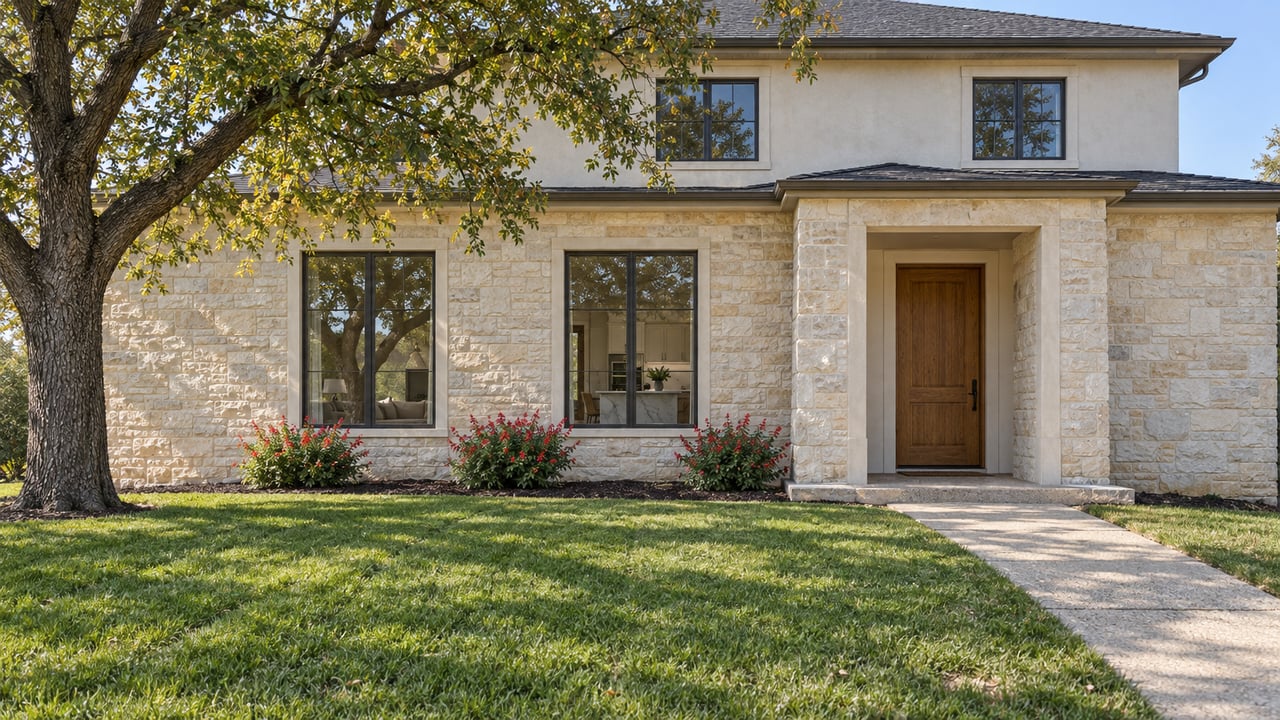
The phrase fits this area because the housing stock is not one-note. You can find smaller character homes, updated traditional residences, larger detached homes, and in some pockets, options that may appeal to buyers seeking a simpler day-to-day setup. The key is knowing which city aligns best with your goals.
Rather than thinking of the Tri-Cities as a single neighborhood, it helps to think of them as three nearby enclaves with different patterns of land use, architecture, and lifestyle. That distinction matters whether you are buying your next home or preparing to position your current property for sale.
Alamo Heights: Variety With Strong Character
Alamo Heights began as a late-19th-century suburban residential development with large lots, streets shaped by the land, and preserved trees. Over time, it evolved through multiple phases of development and a range of architectural styles. Today, that layered history still shows up in the housing choices you see from block to block.
For buyers, one of the biggest strengths of Alamo Heights is variety. The city’s residential districts include different lot-width and lot-area standards, with minimum widths of 60 feet in SF-A and 50 feet in SF-B. That framework supports a mix that can include smaller character homes as well as larger updated houses, instead of a single uniform housing type.
Alamo Heights also has one of the strongest preservation-minded frameworks in the Tri-Cities. Rules around setbacks, lot coverage, floor area ratio, height, and review processes are intended to keep new construction and major changes compatible with the surrounding block. If you are drawn to neighborhoods where the built environment tends to feel cohesive and carefully considered, that can be an important part of the appeal.
Who Alamo Heights May Suit
Alamo Heights may feel like a fit if you want:
- Close-in living with a stronger village-center feel
- A mix of home sizes and architectural styles
- A neighborhood setting shaped by preservation and compatibility rules
- Easy connection to the broader Tri-Cities market
Olmos Park: Small, Varied, and Convenient
Olmos Park is the smallest of the three by land area and population, at about 0.61 square miles and roughly 2,200 residents. Even with that smaller footprint, it offers a surprisingly varied housing picture. Official city materials describe more than 800 single-family homes, around 250 apartment units, and architecture that ranges from historic 1920s homes to contemporary new builds.
This variety gives Olmos Park a different rhythm from its neighbors. Planning and zoning materials show several district types, including single-family districts, an apartment district, a local retail district, and a mixed retail commercial district. In practical terms, that means Olmos Park can feel more like a patchwork of historic homes, newer residences, and convenient mixed-use pockets than a single-style enclave.
For some buyers, that is exactly the draw. The city profile highlights a business district with restaurants, retail, salons, gyms, furniture shops, medical and veterinary clinics, consignment, and music stores. VIA bus service on McCullough also adds another layer of everyday access.
Why Olmos Park Stands Out
Olmos Park may suit you if you are looking for:
- A small enclave with the widest housing variety of the three
- Historic and contemporary homes in the same market area
- Some lower-maintenance living options nearby
- Daily convenience woven into the setting
It is also the clearest reminder that the Tri-Cities are related, but not interchangeable. Even though many buyers group Olmos Park with 78209 in casual conversation, its official city materials place it in 78212.
Terrell Hills: Larger Lots and Residential Calm
Terrell Hills has perhaps the clearest estate-style identity of the three. The city’s history describes it as a suburban community about five miles northeast of downtown San Antonio, and its public pages emphasize parks and green spaces rather than retail corridors. That alone starts to tell you something about the setting.
Its zoning rules reinforce that low-density, single-residence character. The code says no lot may be subdivided to leave less than 80 feet of frontage, no more than one residence may be built or left on any lot, and density in the A and A-1 districts may not exceed 20 families per acre. Those rules point toward larger detached homes, more separation between houses, and a stronger sense of privacy.
If your vision of close-in living includes mature landscaping, a more residential atmosphere, and the feel of a classic single-family enclave, Terrell Hills often rises to the top of the list. Among the Tri-Cities, it is the strongest example of the “estates” side of the spectrum.
What Buyers Often Like About Terrell Hills
Terrell Hills may be the right fit if you want:
- Larger-lot, low-density residential character
- A setting centered more on homes and green space than retail
- A traditional single-residence neighborhood pattern
- Privacy and separation while staying close to central San Antonio
How to Compare the Three
When buyers begin exploring this area, it helps to focus on lifestyle before anything else. Price matters, of course, but the better first question is how you want your day-to-day life to feel. The answer often makes one city stand out quickly.
Here is a simple way to think about it:
| City | General Feel | Housing Character | Notable Context |
|---|---|---|---|
| Alamo Heights | Close-in with a stronger village-center feel | Mix of home sizes and styles | Preservation and compatibility rules shape change |
| Olmos Park | Small enclave with mixed-use texture | Historic homes, newer builds, apartments, and varied lots | Officially in 78212, not 78209 |
| Terrell Hills | Low-density and more purely residential | Larger lots and detached single-residence pattern | Parks and green spaces are a key part of identity |
Why This Matters for Buyers and Sellers
If you are buying, these distinctions can save you time. Instead of searching broadly and hoping the right home appears, you can narrow your focus based on how much variety, privacy, convenience, or architectural consistency you want. That usually leads to a more confident and less stressful search.
If you are selling, understanding these differences helps you position your home more effectively. A character-rich Alamo Heights home, a mixed-setting Olmos Park property, and a larger-lot Terrell Hills residence each call for a different story. In a market like this, presentation is not just about features. It is about showing buyers how a home fits the lifestyle they are seeking.
The Real Takeaway on 78209
The simplest takeaway is this: 78209 is a useful shorthand, but it is not the whole story. It absolutely helps buyers think about the Tri-Cities area, yet it does not perfectly map the municipal boundaries because Olmos Park is in 78212. Once you understand that, the area becomes much easier to navigate.
The Tri-Cities work best when you see them as connected but distinct. Alamo Heights offers variety with strong neighborhood character. Olmos Park brings the broadest mix of housing types and everyday convenience. Terrell Hills delivers the clearest larger-lot, estate-style residential setting.
If you are considering a move within the Tri-Cities, or preparing to present your home for the market, working with a local advisor who understands the fine distinctions between these enclaves can make all the difference. For thoughtful guidance and a design-minded approach to buying or selling in San Antonio’s most distinctive neighborhoods, connect with Paulette Jemal.
FAQs
What does 78209 include in the Tri-Cities area?
- 78209 includes Alamo Heights and Terrell Hills, but Olmos Park is officially in 78212 even though many buyers group it with the Tri-Cities market.
Which Tri-Cities area has the most housing variety?
- Based on official city materials and zoning context, Olmos Park has the broadest mix, with single-family homes, apartment units, and mixed-use retail areas.
Which Tri-Cities area feels most estate-like?
- Terrell Hills has the strongest larger-lot, single-residence identity because of its low-density zoning rules, 80-foot frontage minimum, and one-residence-per-lot framework.
What makes Alamo Heights different from the other Tri-Cities areas?
- Alamo Heights stands out for its mix of home types, preservation-oriented review structure, and a stronger village-center feel shaped by its history and zoning framework.
Why do buyers often group Alamo Heights, Olmos Park, and Terrell Hills together?
- Buyers often think of them as one market because they are close together and all are served by Alamo Heights ISD, even though the cities have different boundaries and distinct housing patterns.