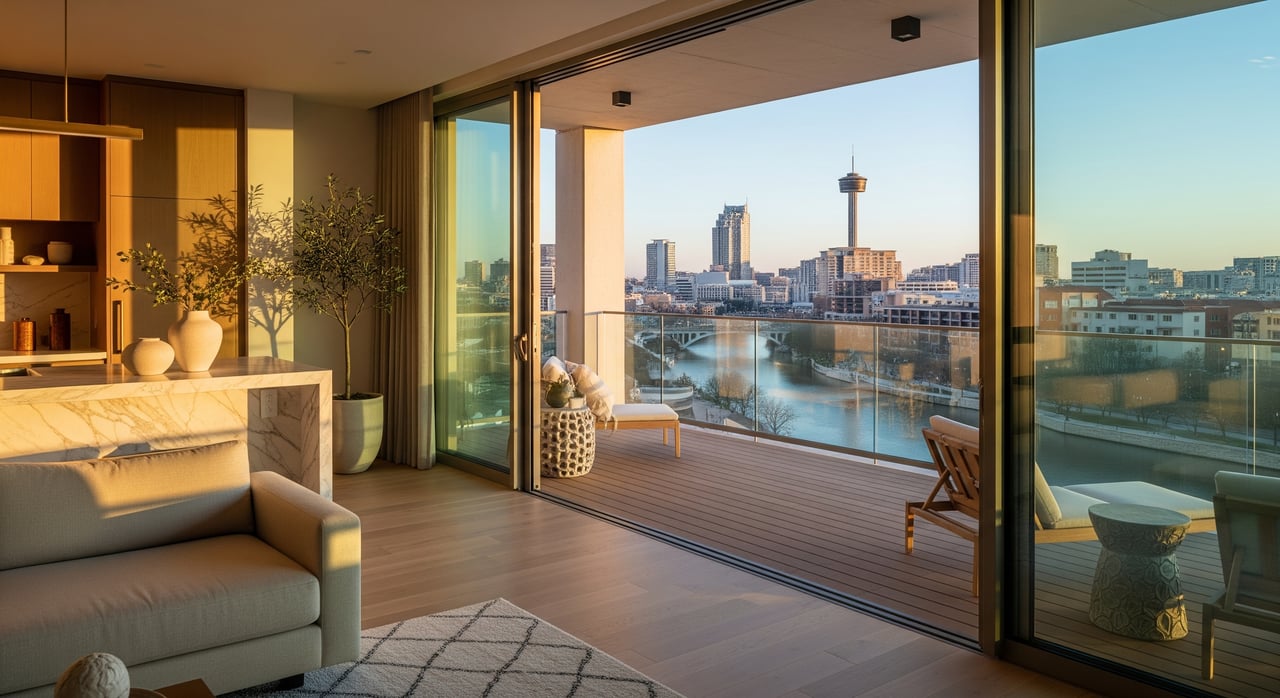
Do you love the idea of living steps from the River Walk, restaurants, and arts, but want a low‑maintenance home that fits a busy lifestyle? Buying a condo in Downtown San Antonio can deliver that energy and convenience if you know how to evaluate buildings, fees, and daily logistics. You deserve a clear roadmap that helps you compare options and avoid surprises. This guide walks you through building types, HOA dues, parking, noise and events, and the due diligence that leads to a confident purchase. Let’s dive in.
Why downtown condos appeal
Downtown San Antonio blends tourism, culture, offices, and entertainment, which makes condo living attractive for many lifestyles. You will see primary residents, relocation buyers, and “lock‑and‑leave” owners who want to enjoy the urban core without yard work or exterior maintenance. Young professionals, empty nesters, and retirees often prioritize walkability, access to dining, and community amenities. Investors also explore downtown, but it is important to confirm both city rules and association documents before planning any short‑term rentals.
Building types you will find
High‑rise towers
These multi‑story buildings typically offer elevators, concierge or doorman services, and shared amenities like a fitness center or pool. Expect larger windows and extensive glass, often with sweeping views. Fees are usually higher because staffing, elevators, and amenities require larger operating budgets and reserves.
Mid‑rise and podium‑style
Mid‑rises run about 4 to 10 stories and may include retail at street level with parking in a podium. You get a balance of convenience and amenities without the scale of a full luxury high‑rise. Dues vary widely depending on the services and common spaces provided.
Historic conversions and lofts
Former warehouses and historic structures create unique floor plans with exposed brick or industrial features. Amenity packages can be more limited, which may keep monthly dues lower, though older buildings may face higher long‑term capital needs. Soundproofing and window upgrades can vary, so it pays to test noise levels during visits.
Boutique condo associations
Smaller associations with fewer units can feel intimate and may keep fees lower if services are lean. With fewer owners, reserves can be more limited, so it is essential to review financials and reserve studies. Expect a simpler amenity set and a closer connection to the board and neighbors.
Mixed‑use developments
Residences over retail or restaurants are common downtown. You will want to understand rules that balance residential living with commercial operations like deliveries and trash service. Expect more activity at certain hours and be sure to review building policies around noise and access.
Amenities and HOA fees
Amenities add comfort and convenience, but they shape monthly dues and capital reserves. Fitness centers, pools or rooftop terraces, community rooms, business centers, doorman or security, on‑site management, package rooms, bike storage, garage parking, and EV charging are common downtown features. The more services and staffed operations a building provides, the higher the monthly assessments tend to be.
What dues often cover
Many associations include exterior building insurance for common elements, common‑area maintenance and utilities, landscaping, security, elevator and pool upkeep, management company fees, and reserve contributions. You may still pay for in‑unit electricity, internet or cable, and any individually metered water or sewer. Some buildings charge separate parking fees or bill for specific services, so read the budget carefully.
Reserve funds and assessments
Healthy reserves pay for long‑term repairs such as roofing, elevators, and common HVAC systems. Associations that commission periodic reserve studies and contribute steadily reduce the odds of special assessments. You should review recent financial statements and the reserve study if available, plus check the history of any assessments and upcoming projects.
Governance and management
A board of directors elected by owners oversees the budget, rules, and major contracts. Many downtown buildings use a professional management company, which helps with day‑to‑day operations and owner communication. Review the management agreement terms and the building’s rules and bylaws so you understand maintenance responsibilities inside your unit versus common elements.
Insurance essentials for condo buyers
Most associations carry a master or blanket policy for the building and common elements. Coverage definitions vary, so request the association’s insurance declarations to see what the master policy covers and what falls to you. Many owners carry an HO‑6 policy for interior improvements, personal property, and liability. Ask about the association’s deductible and whether a large deductible or certain claims could be assessed to owners.
Parking, storage, and daily logistics
Parking models
- Deeded spaces: Your parking is attached to your deed and typically conveys at sale. Confirm details in public records and your contract.
- Assigned spaces: The HOA allocates your space by rule or lease, which can change with policy updates.
- Guest parking: Often limited in dense areas and strictly enforced. Verify guest policies and hours.
- Valet or stacked systems: Some buildings use mechanical or valet parking. Confirm vehicle size limits, wait times, and any additional costs.
EV charging, storage, and pets
If you own or plan to own an EV, ask whether the building offers shared charging stations, plans to add them, or allows upgrades for a specific spot. Confirm storage unit availability and whether storage is deeded, assigned, or first‑come. Pet policies can limit size, breed, or number and may require registration or deposits, so get those rules in writing.
Utilities and billing
Some buildings bundle water, trash, sewer, or internet into HOA dues. Others individually meter and bill by unit. Clarify metering for water, electric, and gas so you can estimate your monthly costs accurately and avoid billing surprises.
Noise, events, and lifestyle trade‑offs
Downtown’s energy comes with real‑world trade‑offs. Proximity to nightlife corridors, the River Walk, and major venues means occasional crowds, amplified sound, and street closures for festivals, parades, and conventions. Mixed‑use buildings also manage deliveries and service operations.
You can reduce noise exposure by evaluating location and construction. Upper floors and units set back from busy streets are often quieter than corner or lower‑level units. Newer luxury towers may have thicker walls, insulated windows, double‑pane glazing, and sound‑rated doors that improve quiet. Older conversions may vary more in sound performance.
Practical steps help you judge the fit:
- Visit multiple times: weekday mornings and evenings, plus weekend day and night during busy seasons.
- Ask management for event schedules, rules on quiet hours, and enforcement practices.
- Review recent board minutes for recurring noise issues or nuisance complaints.
- Use a simple decibel app to compare street‑facing versus courtyard or upper‑floor units.
Due diligence: documents and review points
Before you make an offer or during your option period, request the building’s full resale packet and read it closely. The right documents reveal how the building operates, the strength of its finances, and whether its rules support your lifestyle.
Essential documents to obtain
- Declaration/CC&Rs outlining common elements, unit boundaries, and use restrictions
- Bylaws and rules & regulations
- Current operating budget, recent financial statements, and bank statements
- Reserve study, if available
- Board meeting minutes for the past 12 months or more
- Association insurance policy declarations and deductible details
- Management agreement and scope of services
- Owner roster summary and delinquency report
- Disclosure of pending litigation, recent assessments, or planned assessments
- Leasing and short‑term rental rules with any minimum lease terms
- Certificate of occupancy and building inspection reports, especially for conversions
- Capital improvement plans and contracts for major work
- Parking deeds or assignment documents
Key questions to ask
- Financial health: How much is in reserves, what projects are upcoming, and what is the delinquency rate among owners?
- Assessment history: Have special assessments been frequent in the last 5 to 10 years?
- Insurance: What does the master policy cover versus owner responsibility, and what is the deductible?
- Rentals and STRs: Are short‑term rentals allowed, are there registration requirements, caps, or minimum lease terms?
- Maintenance and safety: Are there deferred items like façade repairs, HVAC, or elevators, and how often are life‑safety systems inspected?
- Noise and events: How many noise complaints occurred in the past year and how were they handled?
- Parking: What vehicle restrictions apply and how is guest parking enforced?
Red flags to watch
- Thin reserves and no recent reserve study
- High or rising delinquency rates
- Active or repeated litigation, especially for building defects
- Repeated special assessments or unpredictable fee increases
- Restrictive or confusing rental policies that conflict with your plans
- Poorly maintained common areas or obvious deferred maintenance
- Recurring, unresolved noise complaints
- Insurance gaps or very large deductibles that could be assessed to owners
Local factors in Downtown San Antonio
Flood awareness
Parts of downtown are close to the San Antonio River and drainage infrastructure. Verify FEMA flood zone status for the specific property and ask the association about past flood events and mitigation measures such as flood vents or elevated mechanicals. Lower floors near water features may have different insurance needs, so confirm requirements early.
Events and access
Festivals, parades, and conventions drive the downtown calendar. They add energy and business for local venues but can bring street closures and heavy visitor flows. If you value quiet or predictable access, focus on buildings set away from major event corridors and confirm how access is managed on event days.
Transit, commuting, and parking
Downtown is walkable and served by local transit routes. If you commute by car to other parts of the city, plan for parking logistics and traffic patterns. Guest parking is often limited in the core, so set expectations for visitors in advance.
Property taxes and homestead
Bexar County values individual condo units. If you plan to occupy your unit as a primary residence, the homestead exemption can affect property taxes. Review current county guidance so you understand how and when to apply.
Your buyer checklist and next steps
Before making an offer
- Visit the building at different times of day and week to test noise and traffic
- Confirm whether parking is deeded and review all parking documents
- Request the complete resale packet from the listing agent or management
- Obtain the association’s insurance declarations, including deductible details
- Verify rules for pets, rentals, remodeling, and any design approvals you may need
During your contract period
- Ask a Texas real estate attorney to review CC&Rs, bylaws, and complex clauses
- Study financials, reserve reports, minutes, and any litigation disclosures
- Get quotes for an HO‑6 policy and confirm lender requirements tied to the association’s insurance
- Check FEMA flood maps for the property and confirm whether flood insurance is recommended or required
At closing and after
- Collect documentation for your assigned or deeded parking space and all access devices
- Register with the HOA or management and save emergency contacts
- Finalize your owner’s insurance, including interior coverage, liability, and loss assessment protection
How we help you buy with confidence
Choosing the right downtown condo is about fit. You want the lifestyle you imagine, supported by sound building operations and clear rules. With a design‑led, concierge approach, you get guidance on everything from shortlisting buildings to studying minutes, reserves, insurance, and parking. You also gain a steady advocate who understands the trade‑offs of urban living and helps you select the floor, view, and construction quality that matches your priorities.
If you are considering a downtown purchase now or planning ahead, let’s talk about your ideal lifestyle, must‑have amenities, and tolerance for events and activity. For thoughtful, boutique service that protects your interests from first showing to closing, connect with Paulette Jemal.
FAQs
What do HOA dues typically cover in Downtown San Antonio condos?
- Dues often include exterior building insurance for common elements, common‑area maintenance and utilities, security, management fees, elevator and amenity upkeep, and reserve contributions, while in‑unit utilities and services are typically the owner’s responsibility.
How can I evaluate a building’s reserve health before buying?
- Review the current budget, financial statements, and any reserve study, then ask about upcoming projects and the history of special assessments to gauge whether reserves match long‑term needs.
Are short‑term rentals allowed in Downtown San Antonio condos?
- Rules vary by building and municipal regulation, so verify the association’s leasing and STR policies for minimum lease terms, registration, or caps, and confirm city requirements.
What should I know about parking for downtown condos?
- Clarify whether spaces are deeded or assigned, review guest parking rules and enforcement, and confirm any valet or stacked system restrictions like vehicle size or access times.
How can I assess noise levels and event impact on a unit?
- Visit at multiple times, ask for event calendars and quiet‑hour rules, check recent minutes for noise complaints, and compare different floors or exposures for sound performance.
Do I need flood insurance for a condo near the River Walk?
- Verify the property’s FEMA flood zone and ask the association about past events and mitigation measures; your lender and insurance agent can advise whether flood coverage is required or recommended.
What insurance should I carry as a condo owner?
- Most buyers carry an HO‑6 policy for interior improvements, personal property, and liability, and they obtain the association’s insurance declarations to understand master policy coverage and deductibles.