Shopping for a gated home in Sonterra? The gates may look similar, but what happens behind them can feel very different. Privacy, HOA dues, golf access, and even the look and feel of each street can shift from one enclave to the next. If you want clarity before you start touring, you’re in the right place.
In this guide, you’ll learn how Sonterra’s gated sections vary, what to verify about golf privileges and rules, how to compare HOA health, and how daily commutes play out. You’ll also get a concise checklist to use on tours so you can compare options side by side with confidence. Let’s dive in.
Sonterra at a glance
Sonterra is a master-planned community in Williamson County near Georgetown. Like many master plans, it includes multiple phases, amenity clusters, and one or more gated subsections developed across different years. Each enclave can have its own ownership model, lot sizes, and lifestyle focus.
Those differences are not just cosmetic. They can affect your monthly dues, what you can build or change, and how close you are to golf and other amenities. Understanding the framework up front helps you target the right streets and avoid surprises later in escrow.
Golf access: what to verify
Living in a golf-oriented community can be a dream, but access and privileges are not one-size-fits-all. Some homes back directly to fairways, while others sit a short walk or cart ride from the clubhouse. Membership terms can also differ.
Here’s what matters most:
- Membership status. Confirm if the home sale includes a club membership, a transferable membership, or no membership. Ask about initiation fees and recurring dues.
- Type of club. Clarify whether the club is private, semi-private, or public, and how that affects tee-time priority and guest policies.
- Fairway adjacency. If you are on the course, review any recorded setback and cart path easements. Consider early-morning maintenance noise and the possibility of stray balls.
- Access logistics. Ask about walking or cart access from the enclave, assigned cart staging, and how non-members use the clubhouse.
Request the membership agreement and fee schedule from club management. Also review plats and deeds for any golf-related easements or restrictions. Listing disclosures sometimes note membership inclusions, but you should verify with original documents.
HOA structure and fees
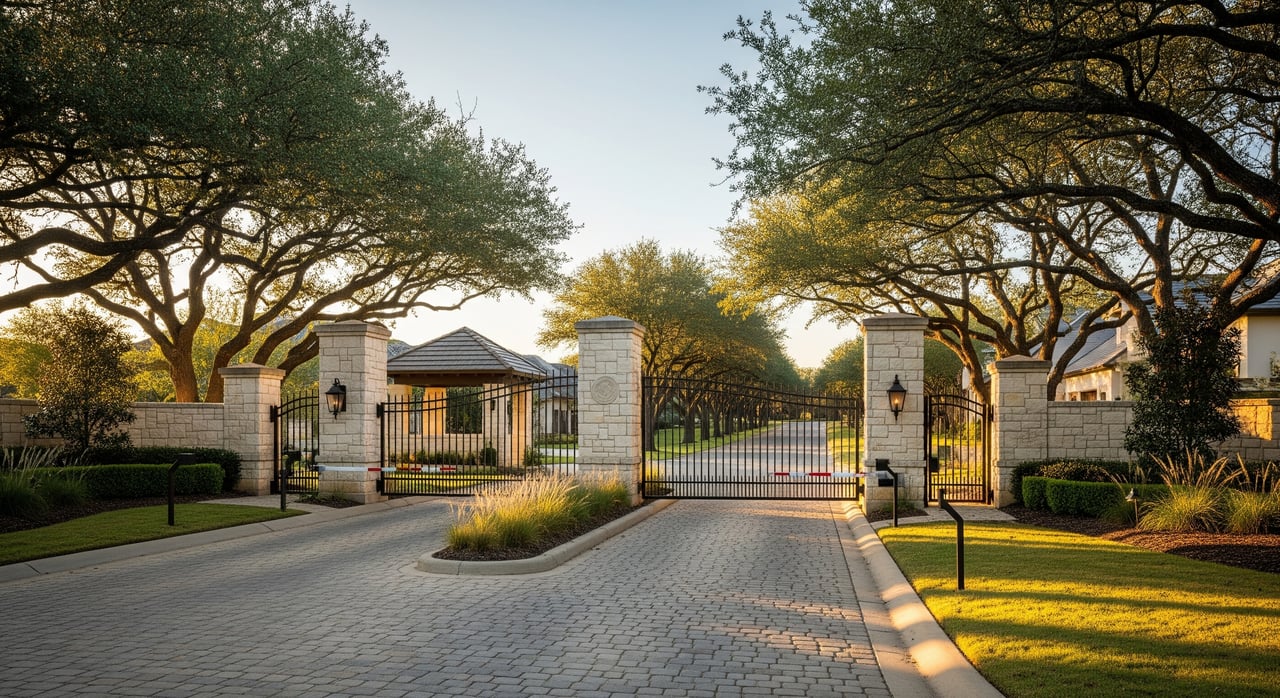
In Sonterra, you may encounter a master HOA plus a separate sub-HOA for a gated enclave. Each can have its own dues, rules, and board. Gated streets sometimes carry extra assessments for gate maintenance or private security.
Focus on these points:
- Dues breakdown. Ask for the current master and sub-HOA dues and what each covers. Look for line items such as gate operation, landscaping, reserves, and security.
- Financial health. Review the latest budget and reserve study, and ask about any recent or planned special assessments.
- Rules and approvals. Read the CC&Rs, bylaws, and rules. Note the Architectural Review Committee’s authority and typical approval timelines.
- Leasing policies. Confirm rental restrictions, minimum lease terms, and any short-term rental limitations.
- Enforcement history. Ask about recent board minutes and whether liens or disputes have been common.
In Texas, certain HOA processes are governed by the Texas Property Code Chapter 209. If you have detailed questions about rights or procedures, consider discussing them with an attorney. For document verification, check with the HOA management company, county recorder for recorded CC&Rs and supplemental declarations, and your title company for any outstanding assessments.
Architecture and lot types
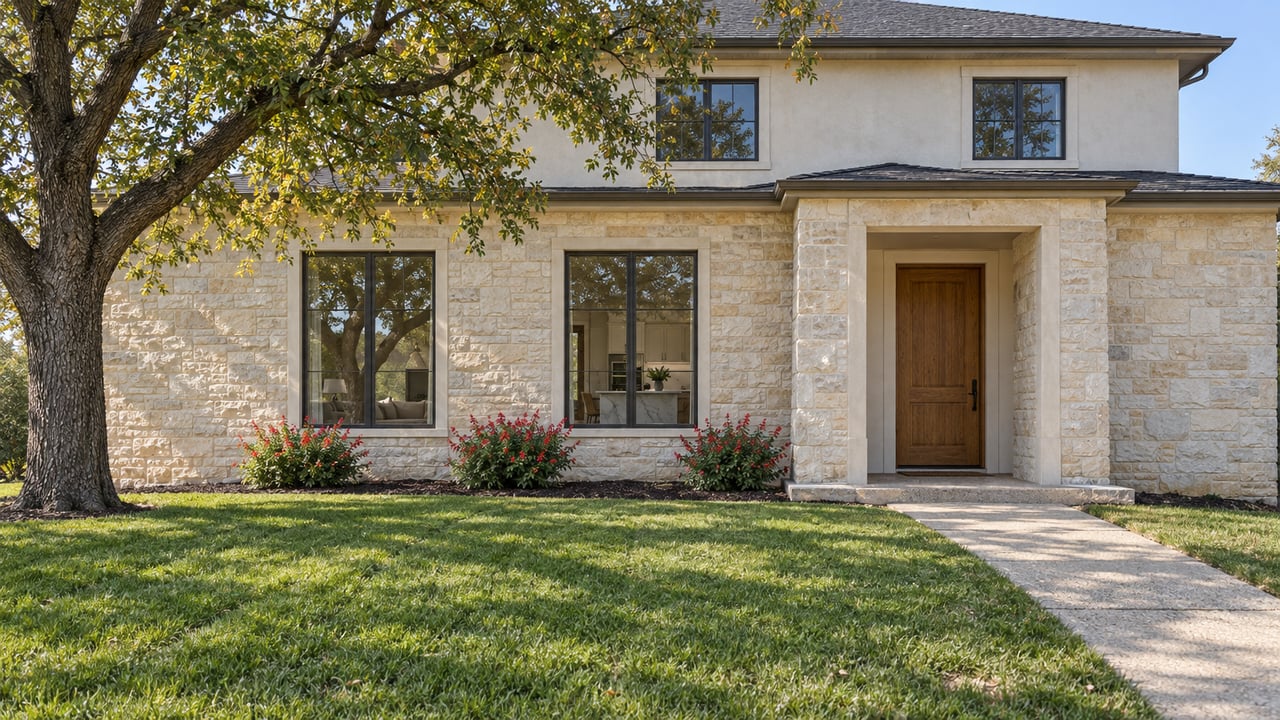
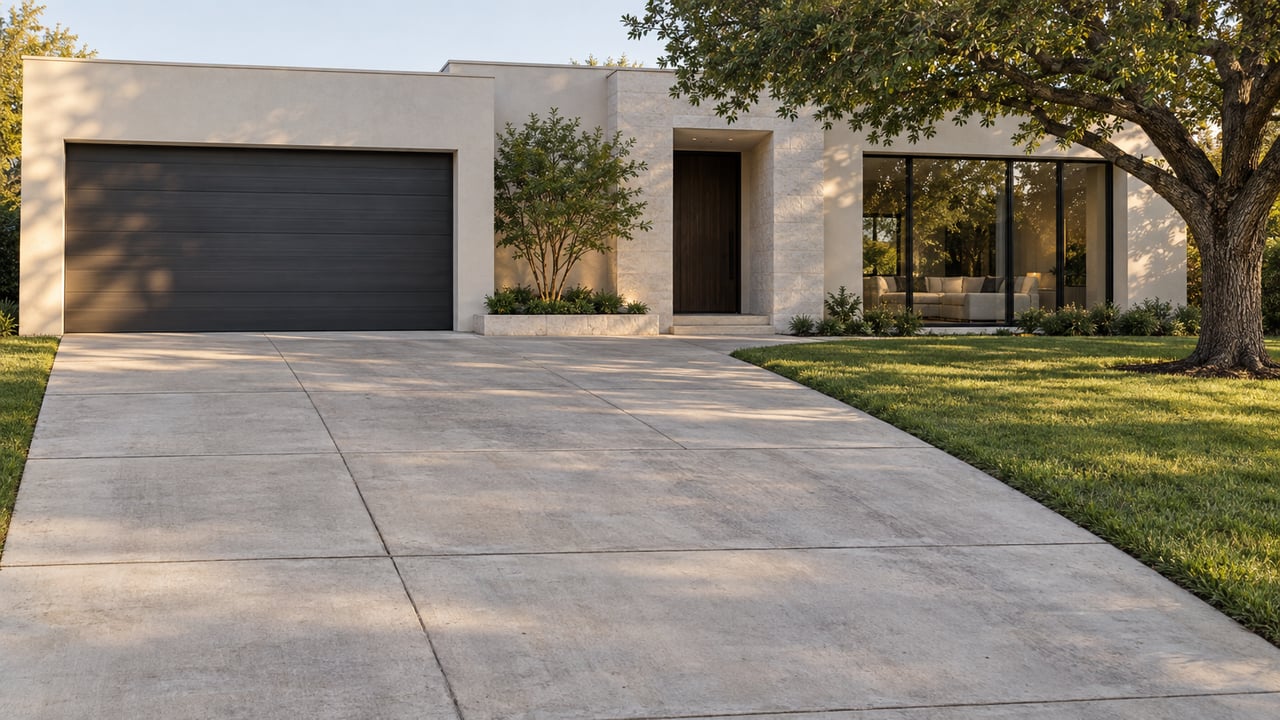
Gated enclaves in a master-planned community often reflect the builder and phase. You can expect a mix of styles common to Central Texas such as Texas Hill Country, Craftsman, Contemporary, and Mediterranean influences, though the exact look depends on the specific enclave.
Key things to evaluate:
- Home age and builder. Older phases may have mature landscaping and different floor plan styles. Newer phases may lean more modern.
- Materials and exterior rules. Many CC&Rs include material standards for stone, stucco, roof types, fencing, and exterior colors. Review the architectural guidelines before planning updates.
- Lot variety. Estate lots usually offer larger yards and more privacy, while narrower lots can cluster homes closer to amenities. Study the recorded plat for lot dimensions and orientation.
- Future surroundings. Ask about any planned infill or nearby development that could change views or privacy.
Compare how each enclave’s design language matches your lifestyle. If you value a specific elevation or finish palette, confirm that the ARC allows it and note any required approvals.
Commute and daily logistics
Sonterra sits in Williamson County north of Austin. Many commuters use I-35 and TX-29 to reach employment centers in Georgetown, Round Rock, and the Austin area. Peak-hour congestion on the I-35 corridor can be significant, and drive times can vary by time of day.
Consider the following:
- Time-of-day variability. Check real-time and historical estimates during the exact hours you plan to travel.
- Onramp access. Proximity to major arterials and onramp locations can make a noticeable difference.
- School routines. If schools matter to you, confirm zoning and transportation details with Georgetown ISD for the specific address.
- Alternate routes and projects. Keep an eye on planned transportation projects that could change traffic patterns over time.
When possible, do a test drive at your typical morning and evening commute times. Small routing differences between enclaves can add up to meaningful time savings.
On-tour comparison checklist
Bring this checklist to every showing and fill it out in minutes:
Golf access
- Is any membership included with the sale, and is it transferable?
- Club type and basic fee structure: initiation and monthly dues.
- Cart path easements or yard improvement restrictions along the fairway.
- Clubhouse access rules for non-members.
HOA and gating
- Confirm master HOA and sub-HOA. List current dues for each.
- Gate or security fees. Who maintains and pays for gate repairs?
- Obtain CC&Rs, rules, budget, and reserve study. Any planned assessments?
- Rental restrictions and minimum lease terms.
- ARC process and typical approval timeline.
Property and architecture
- Builder(s) and year built for the home and enclave.
- Permitted exterior materials and any color or roofing restrictions.
- Easements, drainage, and view corridors affecting the lot.
Commute and utilities
- Best routes and typical drive times to your work centers.
- School zoning and bus availability for the exact address.
- Utility providers for water, sewer, electric, and internet.
Common tradeoffs to weigh
- Fairway views vs privacy. Course-adjacent homes often offer open views but can experience maintenance noise and occasional stray balls.
- Tight ARC rules vs design freedom. Strong controls can preserve neighborhood character, but they may limit exterior changes.
- Higher HOA dues vs services. Extra gate and security costs can mean smoother operations and well-kept common areas. Weigh the value you receive.
- Older phase vs newer phase. Mature landscaping and established streetscapes may appeal to you, while newer plans can bring modern layouts and systems.
- Closer to arterials vs quieter interior streets. Faster access can mean more convenience, but it can also raise ambient noise.
How to choose the right enclave
- Define your must-haves. Rank golf proximity, privacy, HOA flexibility, and commute convenience.
- Pre-screen documents. Ask for CC&Rs, architectural guidelines, current budgets, and any reserve studies before touring.
- Map daily life. Plot drives to work, school, and errands, then test those routes at real times.
- Walk the block at different hours. Visit mornings, afternoons, and evenings to gauge traffic, lighting, and noise.
- Model your monthly total. Combine mortgage, taxes, HOA dues for master and sub-HOA, and any club membership.
- Verify the fine print. Confirm membership transfer terms, ARC approval timing, rental rules, and any planned assessments.
With a clear framework and the right documents, you can compare enclaves side by side and choose with confidence.
Ready to tour Sonterra?
If you want a calm, design-minded approach to evaluating Sonterra’s gated options, I can help you narrow the field, request the right documents, and plan efficient tours. For a concierge experience tailored to your lifestyle and timing, connect with Paulette Jemal.
FAQs
Are all Sonterra gated neighborhoods the same?
- No. Gated enclaves can differ by builder, phase, CC&Rs, HOA dues, and proximity to the golf course and amenities. Always verify details for the specific address.
Do gated enclaves in Sonterra usually have higher HOA fees?
- Often yes, because gated sections may pay for gate operation, maintenance, or private security. Exact dues depend on the master HOA and any sub-HOA services.
What should I know about living next to a fairway?
- Expect open views and walkable access, with possible early maintenance noise and occasional stray balls. Review setbacks and cart path easements and consider landscape screening.
How reliable are commute times I hear from sellers or friends?
- Commute times vary by route, time of day, and season. Validate with live map estimates during your actual travel hours and watch for planned road projects.
Which documents should I review before making an offer?
- Request CC&Rs, bylaws, rules, ARC guidelines, current budgets and reserve studies for master and sub-HOA, recent board minutes, plats, and any golf membership terms.
Can I rent out my home in a gated enclave?
- It depends on the CC&Rs and rules for that enclave. Some have minimum lease terms or short-term rental limits, so confirm restrictions before you buy.