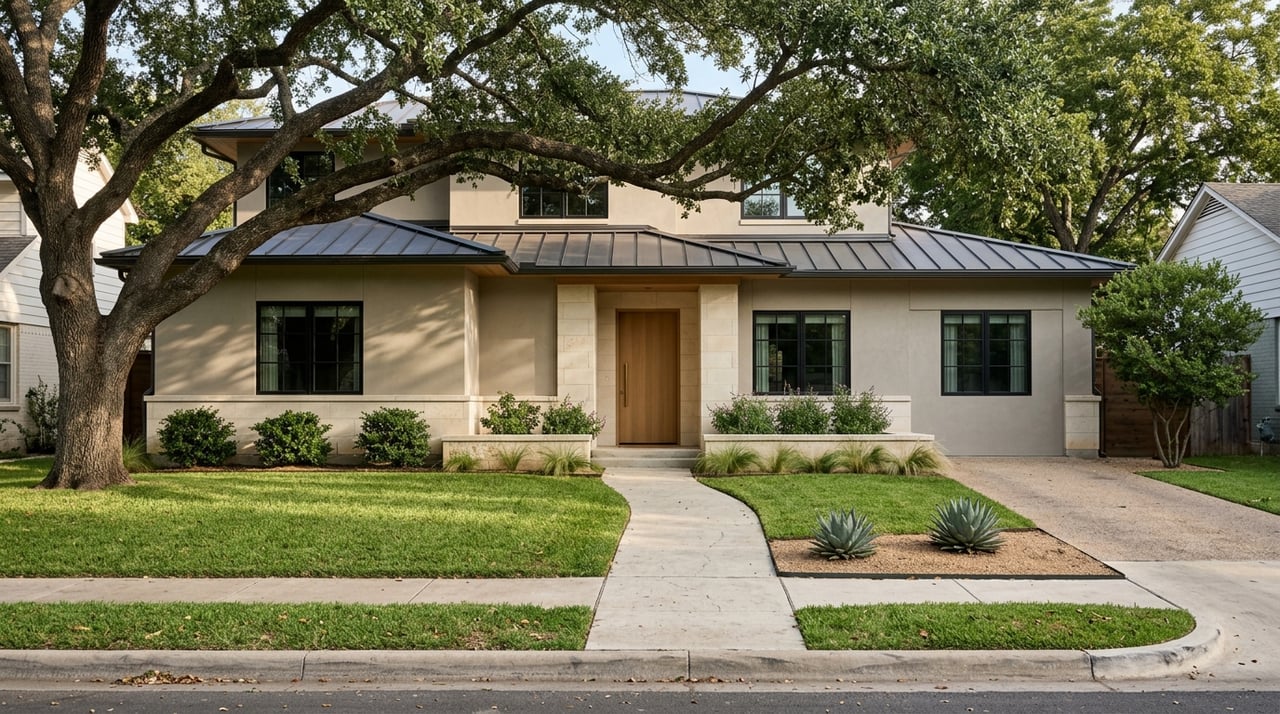
If you are drawn to neighborhoods that feel settled, personal, and lasting, Terrell Hills stands out for a reason. This is a place where long-time residents, growing households, and older homeowners all shape the rhythm of daily life, creating a sense of continuity that many buyers hope to find but rarely can define. In this guide, you will see why Terrell Hills continues to feel like home across generations and what that can mean if you are considering a move here. Let’s dive in.
A Neighborhood Built to Last
Terrell Hills is not a newer area trying to manufacture character. It is an incorporated suburb about five miles northeast of downtown San Antonio, with roots that go back to a residential addition promoted in the late 1920s. The city was incorporated in 1939 and later adopted a home-rule charter in 1957, which reflects a long-standing civic identity centered on residential living.
That history still matters today. On its city history page, Terrell Hills describes itself as a multigenerational neighborhood where neighbors know each other, and its mission emphasizes preserving neighborhood character and quality of life. For buyers, that kind of consistency often translates into a place that feels established rather than in transition.
Why Continuity Feels So Noticeable
Some neighborhoods feel temporary. Terrell Hills feels rooted, and the numbers help explain why. According to U.S. Census QuickFacts, 81.3% of housing units are owner-occupied, and 82.3% of residents lived in the same house one year earlier.
Those figures suggest a community with strong staying power. When more people own their homes and remain in place year to year, you often see a more consistent neighborhood rhythm, from maintained properties to familiar faces and long-term community involvement.
The same Census source also shows 1,846 households and an average of 2.75 persons per household. That points to a residential pattern that supports everyday living, not just short-term turnover. It is one of the reasons Terrell Hills often feels calm, established, and deeply lived in.
A Mix of Life Stages
One reason Terrell Hills feels like home for generations is that it is not defined by a single season of life. Census data shows that 27.9% of residents are under 18, while 17.3% are 65 or older. That kind of age range suggests a community where children, parents, and older adults all have a visible presence.
For you as a buyer, that can matter in a practical way. A neighborhood with a broader age mix often feels more stable over time because it is not tied to one narrow demographic trend. Instead, it can support different household needs as life changes.
This also aligns with the city’s own long-term vision. In its strategic goals, Terrell Hills reinforces a focus on preserving character and quality of life, which supports the broader idea of continuity across generations.
Homes That Support Long-Term Living
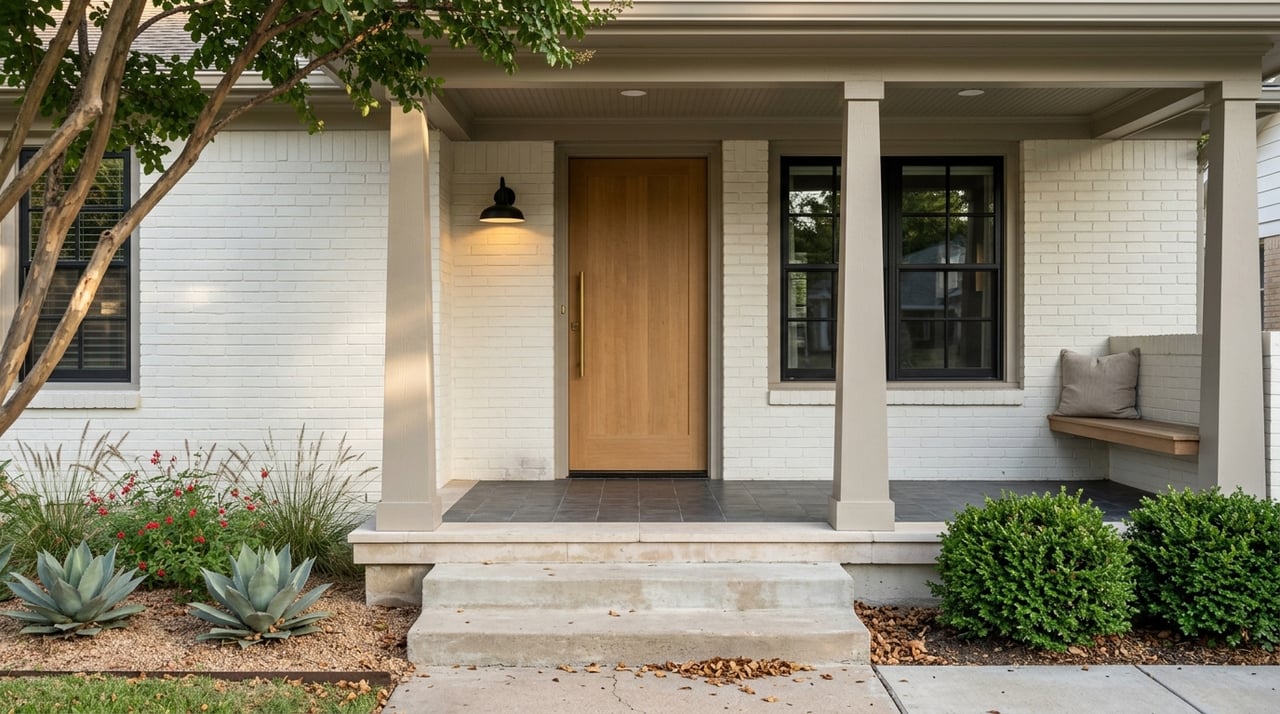
Housing form plays a big role in how a neighborhood feels. Background housing data indicates that Terrell Hills is largely made up of older detached single-family homes, with many dating to the 1940s and 1950s and a median construction year of 1957. While that background source is not appropriate to cite directly for consumers here, it supports what the city’s built environment clearly conveys: Terrell Hills has an older residential fabric rather than a recently assembled one.
That matters because homes built in established eras often create a stronger sense of permanence in the streetscape. You are more likely to see mature lots, consistent setbacks, and architecture that developed over time rather than all at once. In luxury and lifestyle terms, that can make the neighborhood feel composed and enduring.
Streetscapes That Preserve Character
A neighborhood often feels generational not only because of who lives there, but because of what the streets and homes look like year after year. Terrell Hills has land use rules that aim to protect that visual continuity. The city’s zoning code emphasizes compatibility in mass and scale with traditionally seen residential buildings, supports maintaining traditional street scale, limits residences to two and one-half stories and 35 feet, and calls for preserving and enhancing the existing mature tree canopy in front yards.
That is a meaningful detail if you value neighborhood character. These standards help shape a more cohesive environment, where new work is expected to relate to the existing setting rather than overwhelm it. The result is a streetscape that feels measured, residential, and consistent.
The tree canopy is especially important to the feeling of place. The city also requires tree canopies over public streets and alleys to be trimmed to 13 feet 6 inches for clearance, which tells you something simple but powerful: mature trees are part of everyday life here, not an occasional feature.
Parks and Traditions Create Familiar Rhythm
What makes a place feel like home is not just the homes themselves. It is also the repeated rituals that give the year a familiar shape. In Terrell Hills, Crestwood Park and Playground and the Geneseo Esplanade help support that pattern.
The Geneseo Esplanade is the site of the city’s annual July 4 parade and celebration, complete with a block party and barbecue. Crestwood Park also hosts neighborhood events, and the city highlights additional shaded green areas throughout the community. These are the kinds of shared places that help a neighborhood feel personal and memorable over time.
For many buyers, this is part of what they mean when they say they want a neighborhood with heart. Not performative activity, but real civic traditions that repeat year after year and become part of how people experience home.
Compact Access, Local Feel
Terrell Hills offers a combination that many buyers value: a local residential atmosphere with convenient access to the broader city. The area sits roughly five miles from downtown San Antonio, yet it maintains a distinct identity as its own incorporated city. That balance can be especially appealing if you want a neighborhood that feels tucked in without feeling disconnected.
Commute patterns also add context. Census data reports a mean commute time of 22.2 minutes, which supports the idea that Terrell Hills can offer an established residential setting while still allowing manageable daily access to work, culture, and services across San Antonio.
Why Families and Long-Time Owners Both Fit Here
Another reason Terrell Hills works across generations is that it combines a residential scale with local educational infrastructure. Alamo Heights ISD serves Terrell Hills and nearby communities within 9.4 square miles and includes an early childhood center, two elementary schools, a junior school, and a high school.
That does not define every buying decision, of course, but it does help explain why the area can appeal to households who want a compact, local framework for day-to-day life. At the same time, the neighborhood’s long-term ownership patterns and established housing stock continue to support residents who stay well beyond one life stage.
In other words, Terrell Hills is not simply a place people pass through for one chapter. The evidence points to a neighborhood that can remain relevant as your needs evolve.
A High-Value Market With Lasting Appeal
Terrell Hills is also an established, high-value residential market. Census data shows a median household income of $186,400 and a median owner-occupied home value of $838,400. Those numbers are best read as context, not hype.
What they suggest is a market where long-term ownership, neighborhood preservation, and residential quality are closely linked. For buyers and sellers alike, that often signals a place where people are investing not only in property, but in continuity.
If you are looking for a neighborhood with visual character, civic identity, and the kind of lived-in stability that is hard to replicate, Terrell Hills offers a compelling case. And if you are preparing to buy or sell in one of San Antonio’s most established residential enclaves, Paulette Jemal offers a refined, concierge-level approach shaped by local insight, thoughtful presentation, and patient guidance.
FAQs
Why does Terrell Hills feel multigenerational?
- Terrell Hills combines long-term homeownership, a mix of age groups, established housing, preservation-minded zoning, and recurring community traditions, all of which support a sense of continuity.
How close is Terrell Hills to downtown San Antonio?
- Terrell Hills is located about five miles northeast of downtown San Antonio, according to the city’s history information.
What kind of housing is common in Terrell Hills?
- The area is known for an older residential pattern with predominantly detached single-family homes and many houses dating to the mid-20th century.
What community spaces shape daily life in Terrell Hills?
- Crestwood Park and Playground, the Geneseo Esplanade, and other shaded green spaces help support neighborhood events and annual traditions.
What school district serves Terrell Hills?
- Terrell Hills is served by Alamo Heights ISD, a compact district that includes an early childhood center, two elementary schools, a junior school, and a high school.